Automating molecule design to speed up drug development
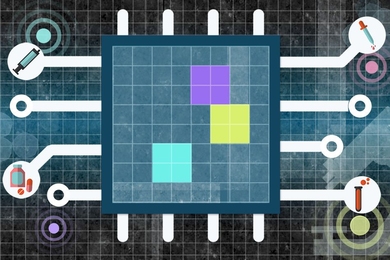
Machine-learning model could help chemists make molecules with higher potencies, much more quickly.
Given a video of a musical performance, CSAIL’s deep-learning system can make individual instruments louder or softer.
Postdoc Cristina Rea's detour into banking provides a new route back to plasma research.
Machine learning network offers personalized estimates of children’s behavior.
Algorithm makes the process of comparing 3-D scans up to 1,000 times faster.
Design can “learn” to identify plugged-in appliances, distinguish dangerous electrical spikes from benign ones.
PhD candidate and Amazon Robotics Challenge winner Maria Bauza helps to improve how robots interact with the world.
Wireless smart-home system from the Computer Science and Artificial Intelligence Laboratory could monitor diseases and help the elderly “age in place.”
Faculty from across the Institute tapped to lead new initiative in human and machine intelligence.
Mechanical engineering researchers are using AI and machine learning technologies to enhance the products we use in everyday life.
Neural network could expedite complex physics simulations.
Activity simulator could eventually teach robots tasks like making coffee or setting the table.
Algorithm computes “buffer zones” around autonomous vehicles and reassess them on the fly.
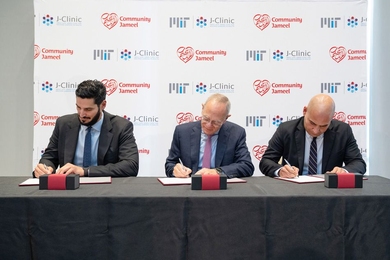
MIT researchers and industry form new consortium to aid the drug discovery process.
New principled approach helps autonomous underwater vehicles explore the ocean in an intelligent, energy-efficient manner.