Computer science in service of medicine
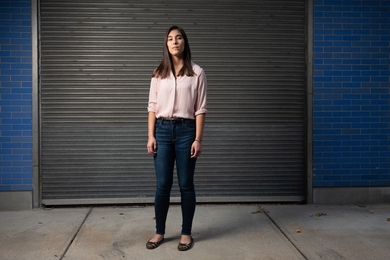
Senior Kristy Carpenter aims to leverage artificial intelligence and other computational tools to develop new, more affordable drugs.
Senior Kristy Carpenter aims to leverage artificial intelligence and other computational tools to develop new, more affordable drugs.

Model could recreate video from motion-blurred images and “corner cameras,” may someday retrieve 3D data from 2D medical images.
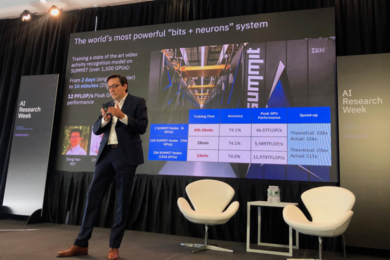
MIT and IBM researchers offer a new method to train and run deep learning models more efficiently.
Model from the Computer Science and Artificial Intelligence Laboratory identifies “serial hijackers” of internet IP addresses.
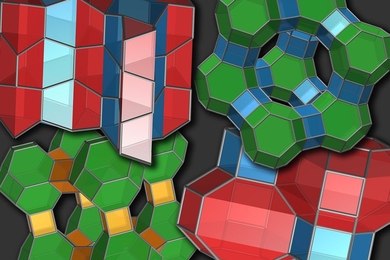
Study of minerals widely used in industrial processes could lead to discovery of new materials for catalysis and filtering.

Associate Professor Juejun Hu shines a light on the impact machine learning and AI are having on materials science and engineering.
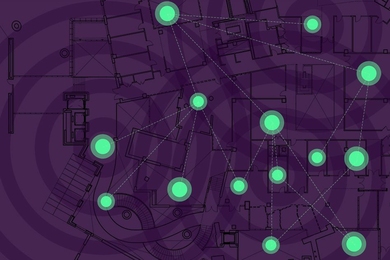
Connected devices can now share position information, even in noisy, GPS-denied areas.
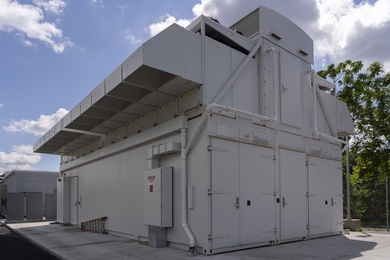
TX-GAIA is tailor-made for crunching through deep neural network operations.
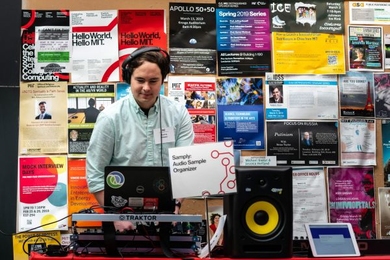
MIT grad student startup Samply uses algorithms to help music producers find the perfect sound.
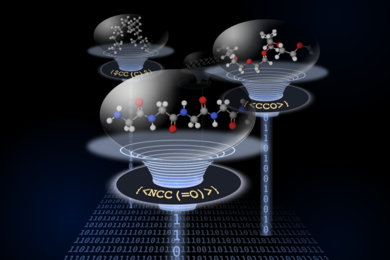
BigSMILES language allows computers and researchers to convey stochastic configurations more clearly.

Commercial cloud service providers give artificial intelligence computing at MIT a boost.
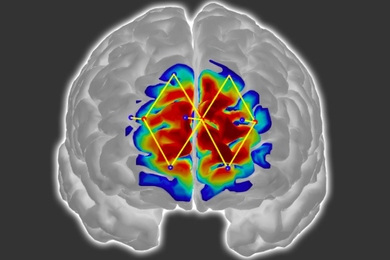
System could help with diagnosing and treating noncommunicative patients.
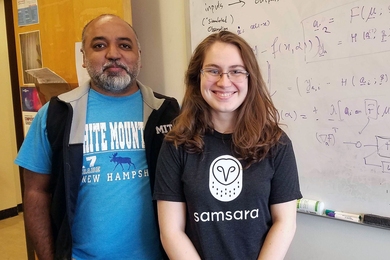
UROP student Sonia Reilly studies the math of machine learning to improve predictions of natural disasters.
Task force calls for bold public and private action to harness technology for shared prosperity.
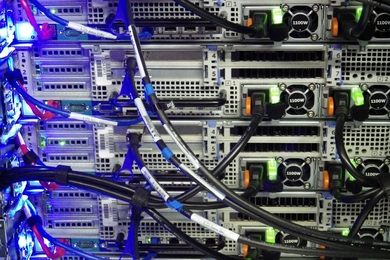
Nearly $12 million machine will let MIT researchers run more ambitious AI models.