
Tiny “motors” are driven by light
Researchers demonstrate nanoscale particles that ordinary light sources can set spinning.
Researchers demonstrate nanoscale particles that ordinary light sources can set spinning.
Neural networks could be implemented more quickly using new photonic technology.
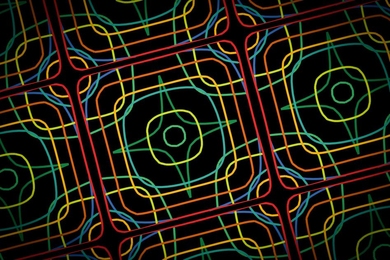
Exotic materials called photonic crystals reveal their internal characteristics with new method.
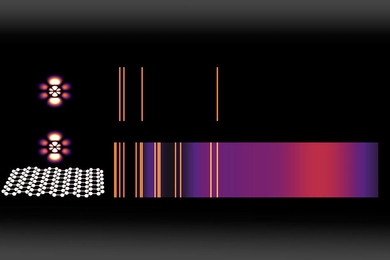
Some “forbidden” light emissions are in fact possible, could enable new sensors and light-emitting devices.
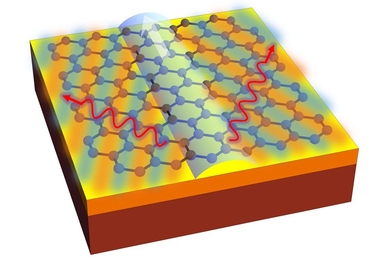
By slowing down light to a speed slower than flowing electrons, researchers create a kind of optical “sonic boom.”
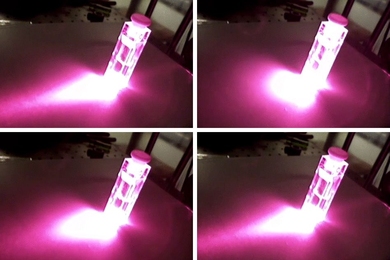
New approach can dramatically change the extent to which optical devices scatter light.
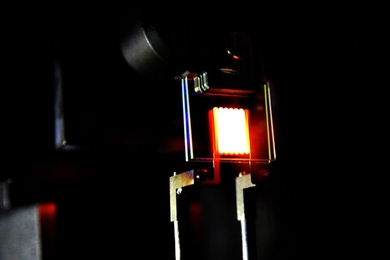
Researchers combine the warm look of traditional light bulbs with 21st-century energy efficiency.
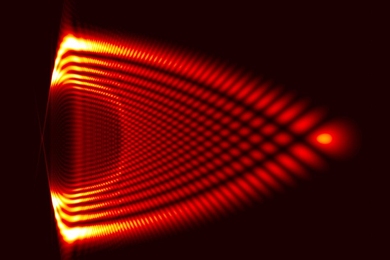
New analysis shows a way to self-propel subatomic particles, extend the lifetime of unstable isotopes.
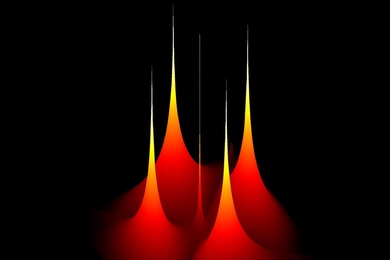
New understanding of how to halt photons could lead to miniature particle accelerators, improved data transmission.
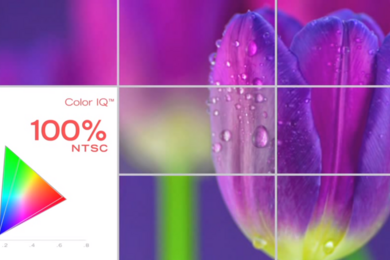
MIT spinout’s quantum-dot technology makes LCD TVs more colorful, energy-efficient.

Graduate student Wade Hsu and colleagues confine light to a crystal surface and design a transparent display using nanoparticles.
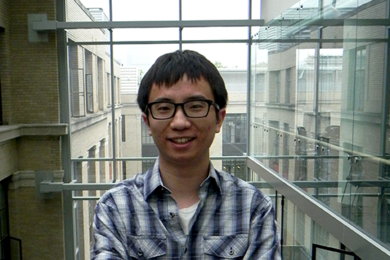
MIT graduate student Yichen Shen designs a photonic crystal system that lets light pass through at a specific angle.
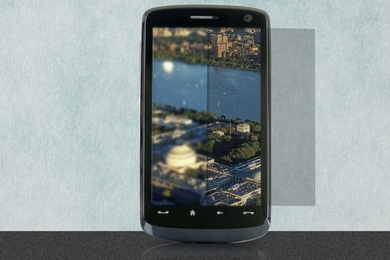
Technology could lead to e-readers, smartphones, and displays that let users dispense with glasses.

Physicist reveals new techniques for controlling light by angle, creating transparent displays and photonic crystal bandgaps.

Lincoln Laboratory spinout is commercializing the first direct-diode laser bright enough to cut and weld metal.