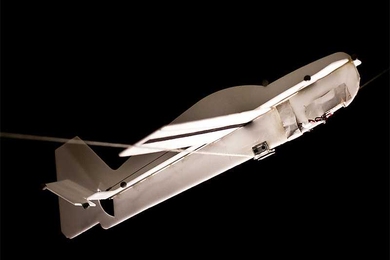
A plane that lands like a bird
An innovative control system allows a foam glider to touch down on a perch or a wire like a pet parakeet.
An innovative control system allows a foam glider to touch down on a perch or a wire like a pet parakeet.

"What I Learned in 3.091 was All I Needed to Know" from Technology Day 2010
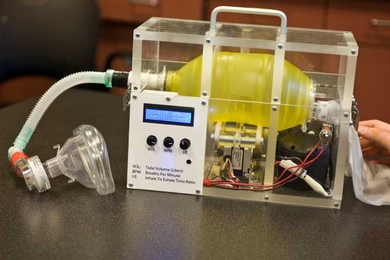
Low-cost portable ventilator could be a lifesaver for people in remote locations and for hospitals in the developing world.

Groundbreaking open education resource program shares most of MIT's curriculum.
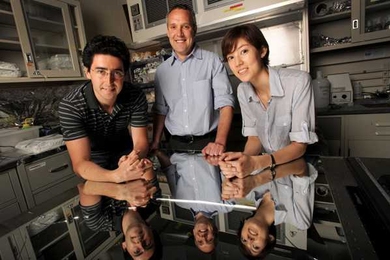
MIT researchers pass a milestone on the path to sophisticated fibers that interact with their surroundings in new ways.


Longtime MIT engineering professor takes on role in Abu Dhabi, effective July 1.

Opportunities for educational and research collaboration to be explored.
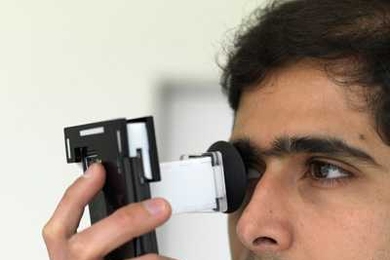
Simple, low-cost device that affixes to a cell phone could provide quick eye tests throughout the developing world.

Will help Scouts understand the power of creativity and invention
Presented by MIT Sloan School of Management Dean's Innovative Leader Series

Foreword by Professor Emeritus Jay Forrester shares insight on team’s early work
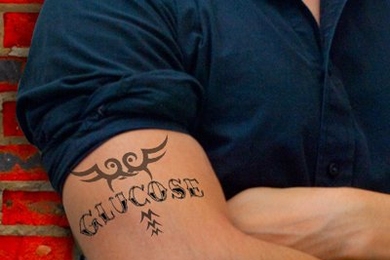
Chemical engineers are working on carbon nanotubes that could be injected under the skin to reveal blood glucose levels.

It turns out that many people mistakenly think they have food allergies. A new technology aims to erase all doubt.