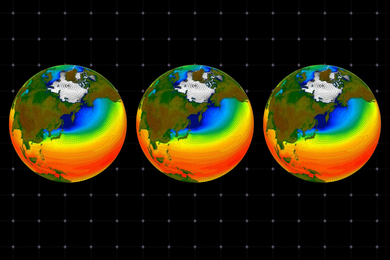
New research could lead to faster, trustworthy AI models for climate prediction
MIT scientists developed a training method to generate models that simulate the effects of human activities on climate much more quickly than other approaches.
MIT scientists developed a training method to generate models that simulate the effects of human activities on climate much more quickly than other approaches.
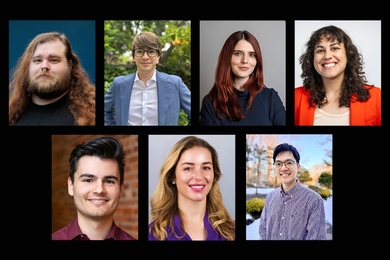
Faculty members serve in core computing and shared roles, bringing a wide range of experiences and areas of expertise to the MIT community.
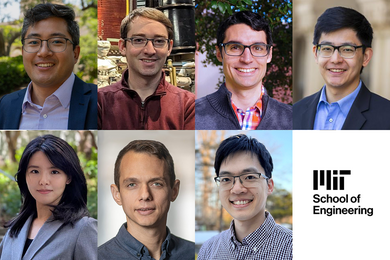
The newest MIT engineering faculty are conducting research across a diverse range of subject areas.
MIT Statistics and Data Science Center Director Alexander (Sasha) Rakhlin shares important considerations for departments and institutions.

Associate Professor Cathy Wu uses reinforcement learning to help map out improvements to transportation and other multifaceted systems.

One graduate student family treasures the community they found alongside other MIT student parents.

The Climate Grand Challenges “New World of Weather” project shows how modeling, planning tools, and infrastructure analysis are translating research into real-world resilience.
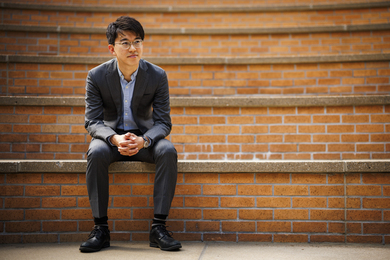
Naoki Egami has become a standout in political methodology, helping refine tools that give scholars durable results.

The “HardFlow” algorithm could help generative AI models produce high-quality outputs that obey strict requirements when “pretty close” doesn’t cut it.
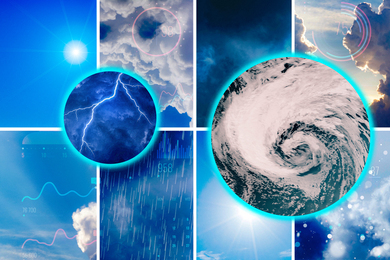
A new algorithm learns to anticipate the unprecedented scenarios that critical infrastructure and global supply chains are least prepared for.

The new framework could streamline the design process of robotic grippers or aerospace components that exhibit complex behaviors found in nature.
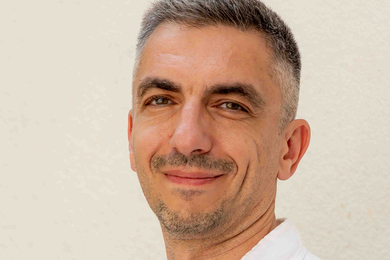
An expert in machine learning, statistics, and computation, Rakhlin succeeds Professor Ankur Moitra.
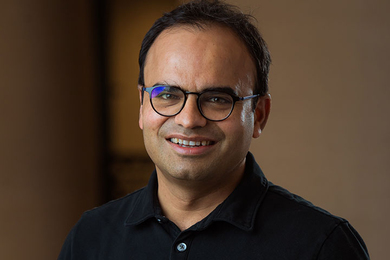
Through research and entrepreneurship, Professor Devavrat Shah is helping to design methods that can handle constant decision-making using limited computational resources.
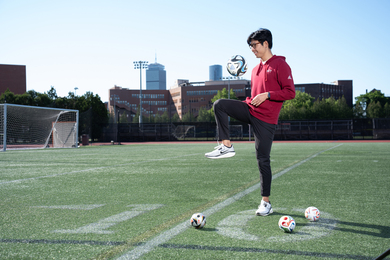
PhD candidate Henry Wang works with FIFA and other organizations to advance the way sports are played, analyzed, and refereed.
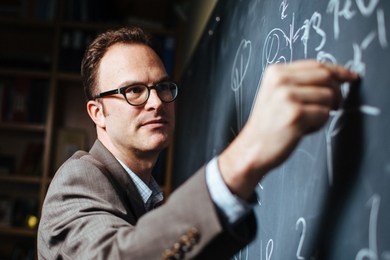
The professor of physics and inaugural director of the NSF AI Institute for Artificial Intelligence and Fundamental Interactions will lead LNS and continue his research in particle physics.