
Forecasting temperature extremes with ozone
MIT study finds that springtime ozone levels are good predictors of summertime temperatures in the Southern Hemisphere.
MIT study finds that springtime ozone levels are good predictors of summertime temperatures in the Southern Hemisphere.
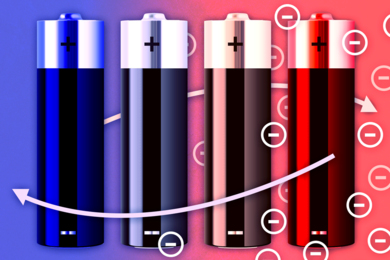
Electrochemical approach has potential to efficiently turn low-grade heat to electricity.
Switchable material could harness the power of the sun — even when it’s not shining.
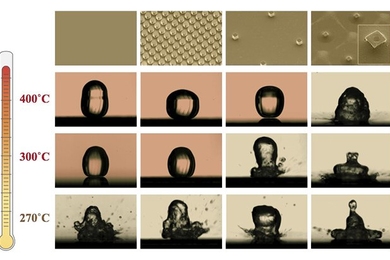
MIT researchers make surfaces that are easier to cool under extreme heat; finding could benefit power plants, electronics.
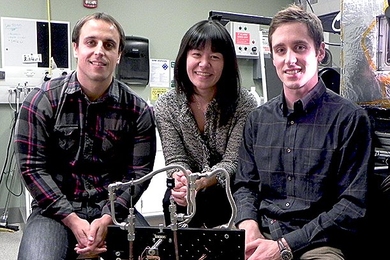
Device Research Laboratory scientists aim to control changes in phase of gases and liquids to reduce power consumption in heating and cooling systems.

Understanding the properties that control surface dissipation of heat could lead to improved power plants and electronics with high heat-transfer rates.
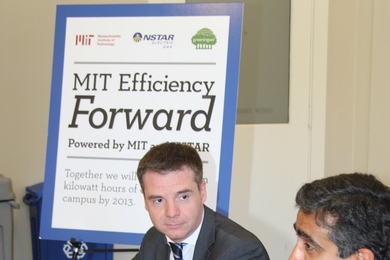
Since first agreement in 2010, MIT has reduced electricity use on campus by 15 percent.

New approach using nanoparticle alloys allows heat to be focused or reflected just like electromagnetic waves.
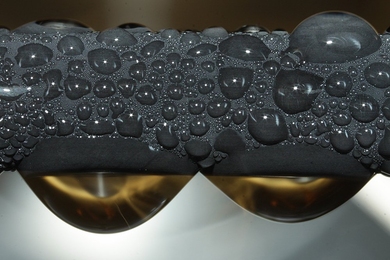
Scalable nanopatterned surfaces designed by MIT researchers could make for more efficient power generation and desalination.
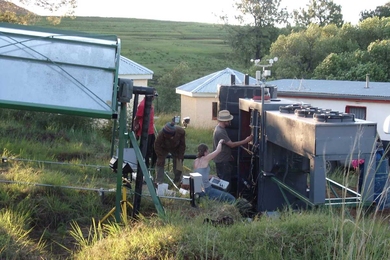
Sun-powered system developed by MIT students could provide electricity, heat and cooling to rural schools and clinics.
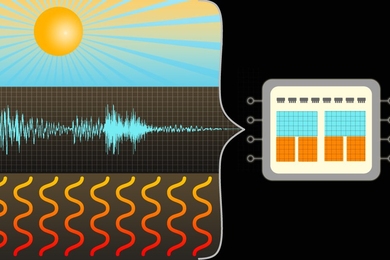
System developed at MIT could combine power harvested from light, heat and vibrations to run monitoring systems.
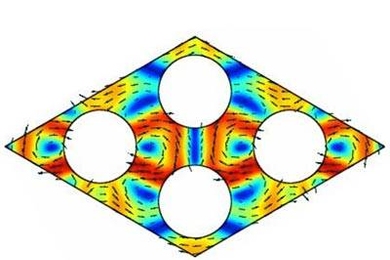
When trying to control the way heat moves through solids, it is often useful to think of it as a flow of particles.