MIT launches “Solve” to galvanize action on solving the world’s great challenges
Leaders to gather for keystone event at MIT next October.
Leaders to gather for keystone event at MIT next October.
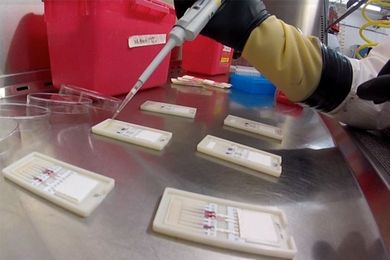
Simple device now in development could speed diagnosis and improve disease tracking.
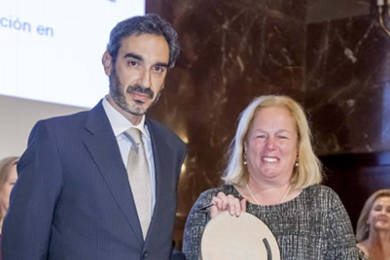
Madrid-MIT collaboration recognized for accelerating health technology innovation.
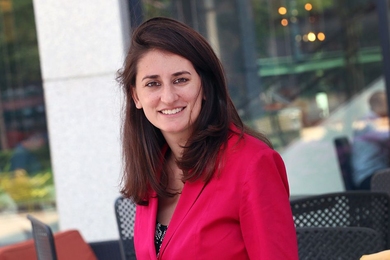
PhD student Andrea Ippolito improves health care through engineering, entrepreneurship, and systems design.
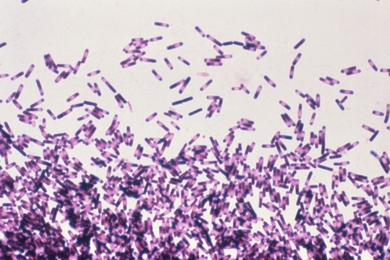
Partnership with MGH, other institutions to foster regional ecosystem for rapidly evolving field.
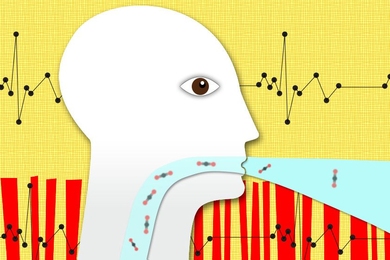
By analyzing carbon dioxide in the breath, an algorithm could help determine how to treat patients.

FitBark, founded by MIT Sloan alumnus Davide Rossi, will monitor your dog’s health and activity every day.

In Compton Lecture, NIH director details the importance of reaching out to others.
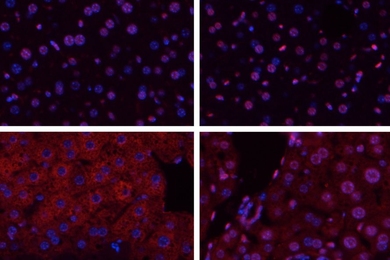
An enzyme key to DNA repair can worsen tissue damage caused by stroke and organ transplantation.

President Reif: “Sexual assault violates our core MIT values. It has no place here.”

Collins to present “Exceptional Opportunities in Biomedical Research.”