J-Clinic names 18 grant recipients from across Institute
Projects will develop new AI technologies that detect and prevent diseases.
Projects will develop new AI technologies that detect and prevent diseases.

The one-year Scale-Ups Fellowships program provides each fellow with a $20,000 grant and support tailored to address their specific needs.
Most pills contain compounds with potential to cause allergic reactions or discomfort in some patients.
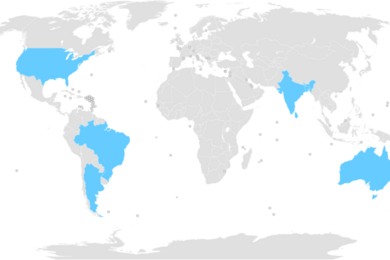
The GOSSIS algorithm was developed using data from hospitals around the world to spur greater multi-center collaboration and improved benchmarking.
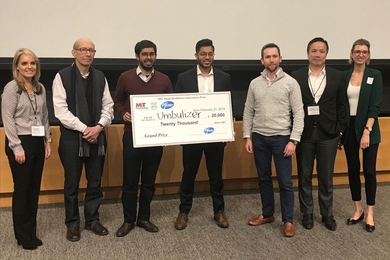
Device was one of eight inventions pitched at this year’s MIT Sloan Healthcare Innovations Prize competition.
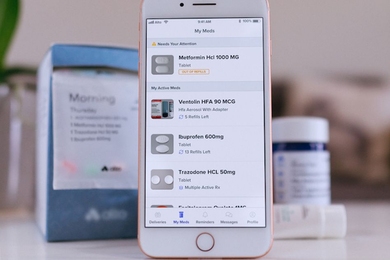
Alto Pharmacy uses software and an innovative operations model to improve access to medication.
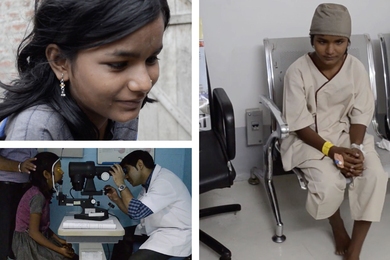
Professor Pawan Sinha addresses a humanitarian need — treatable blindness — and advances our understanding of visual development in the brain.
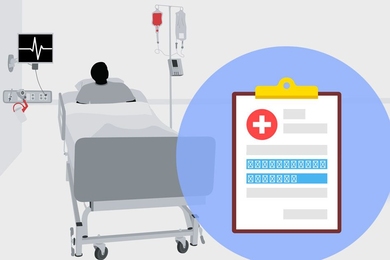
Neural network assimilates multiple types of health data to help doctors make decisions with incomplete information.
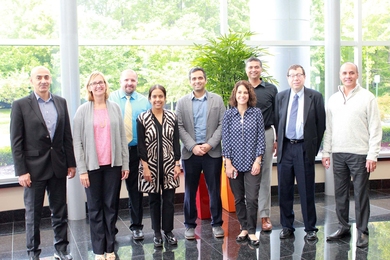
Health Analytics Collective uses real-world evidence to modernize health and drug development decisions.
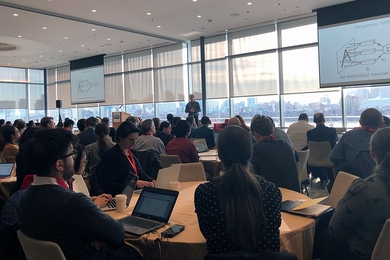
MIT “Policy Congress” examines the complex terrain of artificial intelligence regulation.
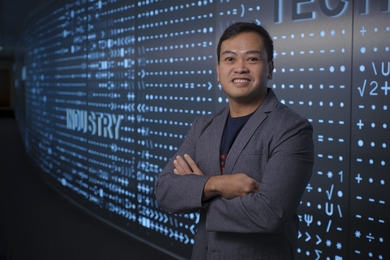
Hackathons promote doctor-data scientist collaboration and expanded access to electronic medical-records to improve patient care.
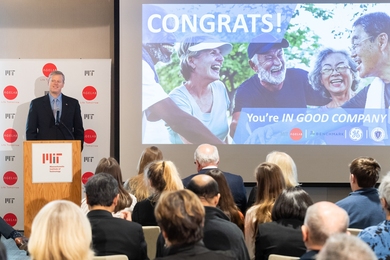
Entrepreneurial ventures are developing technologies, community resources, and solutions to address social isolation and loneliness among older adults in Massachusetts.
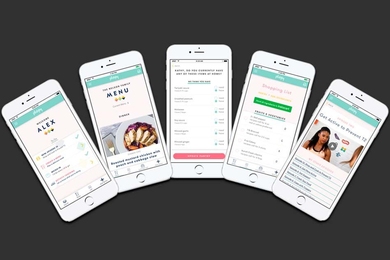
Startup PlateJoy sends users personalized meal plans to help them achieve health goals.
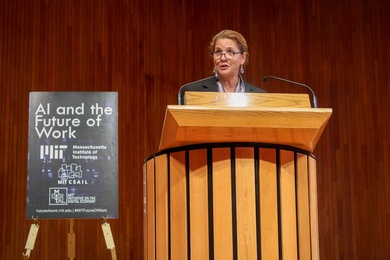
Speakers at the summit included Massachusetts Secretary of Labor Rosalin Acosta and former Google chairman Eric Schmidt.
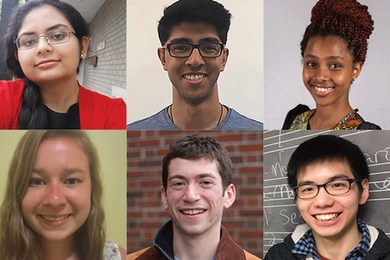
A roundup of MIT student research projects offers a glimpse of where computing is going next.