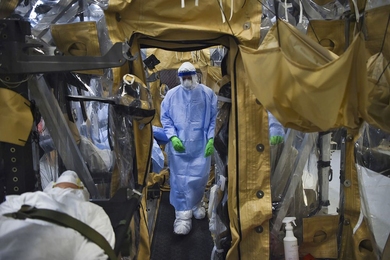
Uninfected patients key to improving Ebola response
New methodology may be used to respond to other endemic diseases.
New methodology may be used to respond to other endemic diseases.
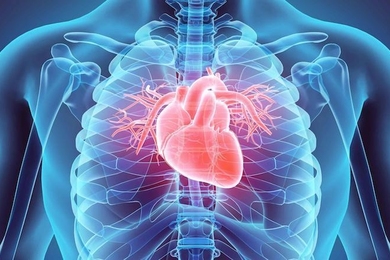
CSAIL system uses a patient's ECG signal to estimate potential for cardiovascular death.
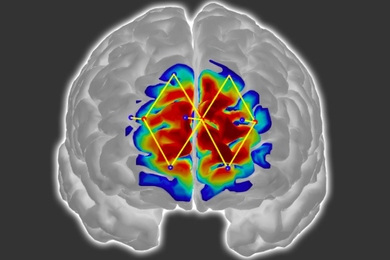
System could help with diagnosing and treating noncommunicative patients.
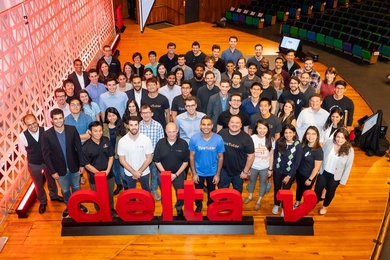
MIT’s delta v accelerator concludes with presentations from participants and encouragement for all students.

MIT associate professor of urban studies Mariana Arcaya examines health disparities within metro areas.

Model replaces the laborious process of annotating massive patient datasets by hand.
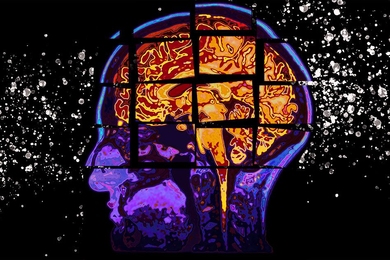
Researchers hope the system can zero in on the right patients to enroll in clinical trials, to speed discovery of drug treatments.

When time matters in hospitals, automated system can detect an early biomarker for the potentially life-threatening condition.
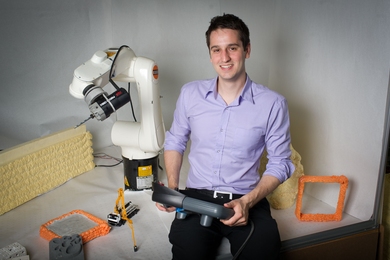
Steven Keating SM'12, PhD '16 inspired millions with his research-driven approach to battling cancer and his advocacy for open patient health data.
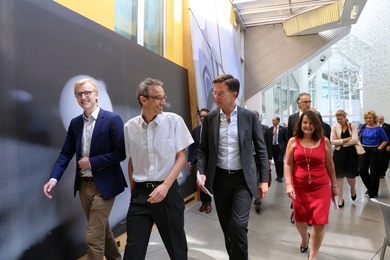
Dutch delegation visits the Institute for a tour focused on computing, robotics, and health care innovation.
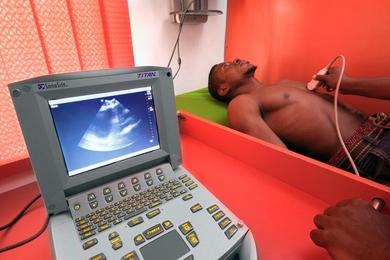
MDaaS Global works to transform health care in Africa by bringing high-end medical diagnostics to low-income communities.

Interacting with a robotic teddy bear invented at MIT boosted young patients’ positive emotions, engagement, and activity level.
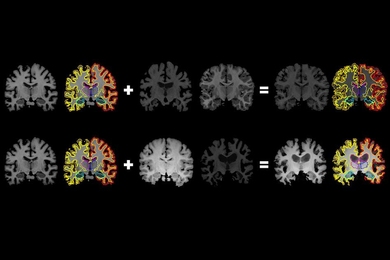
System helps machine-learning models glean training information for diagnosing and treating brain conditions.

In some cases, radio frequency signals may be more useful for caregivers than cameras or other data-collection methods.
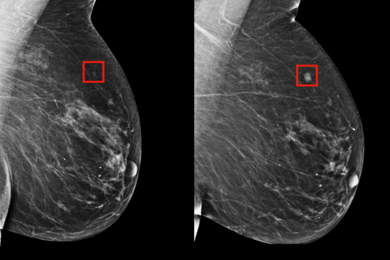
MIT/MGH's image-based deep learning model can predict breast cancer up to five years in advance.