
Bridging the gap between education and employment: Community college and beyond
Conference brings together educators, policymakers, and industry leaders to consider new education models to train skilled workers.
Conference brings together educators, policymakers, and industry leaders to consider new education models to train skilled workers.

The MIT alumnus-founded Stynt helps small health-care offices fill last-minute shift openings by hiring credentialed professionals.

Results suggest people of all races and political affiliations can be influenced with accurate and clear information conveyed by trusted experts, such as physicians.
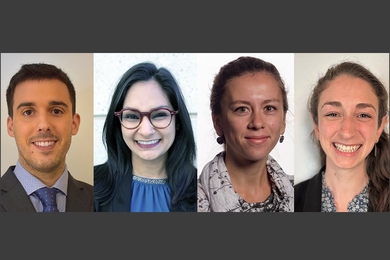
Selective global honor supports early-career scientists and engineers in taking on new pursuits.
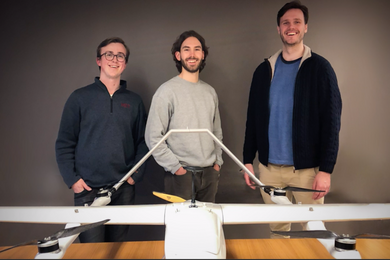
After meeting in an Advanced Study Program at MIT, three Norwegian students began working together to transport biological samples using autonomous vehicles.

Implant surface topography can influence the development of scarring, inflammation, and other complications, researchers find.
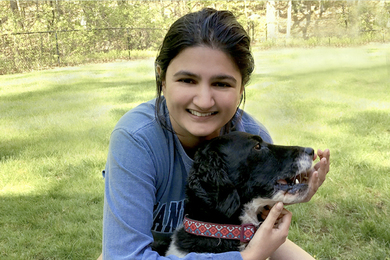
Natasha Joglekar ’21 is eager to apply her MIT education, with a major in computer science and biology and a minor in women’s and gender studies, to a career in medical research.

Kate Kellogg advocates for “experimentalist governance,” to find what works best for employees at all levels, then implement it widely.
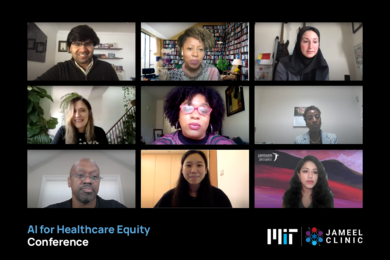
Nearly 1,400 joined the AI for Health Care Equity Conference that explored new AI technologies as a platform for change.

Machine learning software advances could help anesthesiologists optimize drug dose.
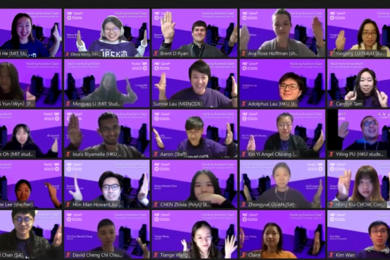
Activating technology for urban life with a virtual site visit to Hong Kong in collaboration with the Department of Urban Studies and Planning.
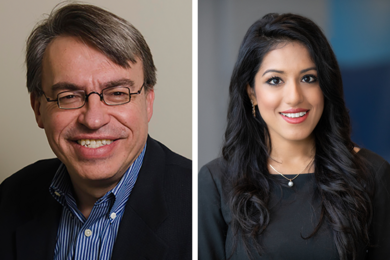
A machine learning model developed jointly by Janssen and MIT data scientists played a key role in the clinical trial process for the Johnson & Johnson Covid-19 vaccine.
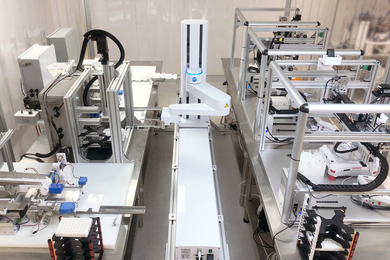
Alumni-founded Multiply Labs uses an automated manufacturing platform to produce advanced treatments at scale.

Simultaneous measurement of neural rhythms and spikes across five brain areas reveals how propofol induces unconsciousness.
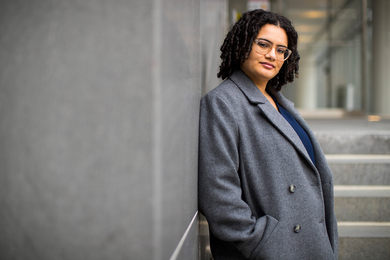
Senior Zaina Moussa’s path toward a career as a physician-scientist has included embracing her different cultures and varied interests.