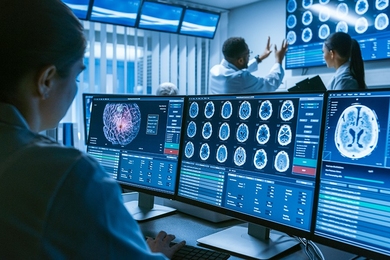
Artificial intelligence predicts patients’ race from their medical images
Study shows AI can identify self-reported race from medical images that contain no indications of race detectable by human experts.
Study shows AI can identify self-reported race from medical images that contain no indications of race detectable by human experts.
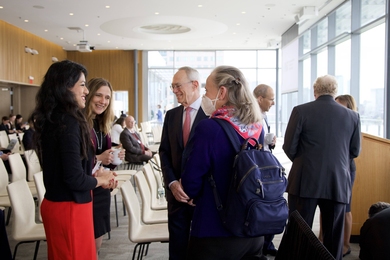
MIT and Mass General Brigham researchers and physicians connect in person to bring AI into mainstream health care.
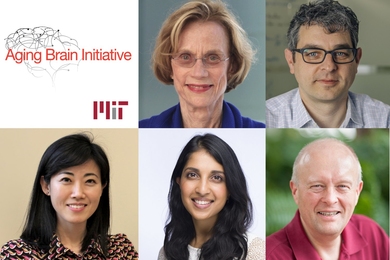
Competitive seed grants launch yearlong investigations of novel hypotheses about potential causes, biomarkers, treatments of Alzheimer’s and ALS.
The MIT anthropologist is recognized for interdisciplinary work on health, climate, and equity.
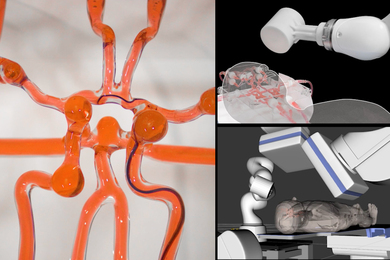
The system could provide teleoperated endovascular treatment to patients during the critical time window after a stroke begins.
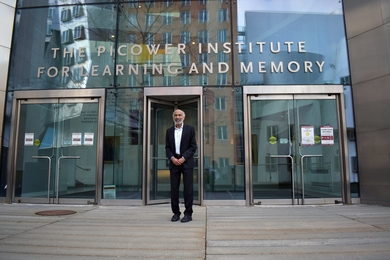
AIMBE's highest honor recognizes MIT professor's contributions to neural signal processing, anesthesiology advances.

Postdoc Digbijay Mahat became a cancer researcher to improve health care in Nepal, but the Covid-19 pandemic exposed additional resource disparities.
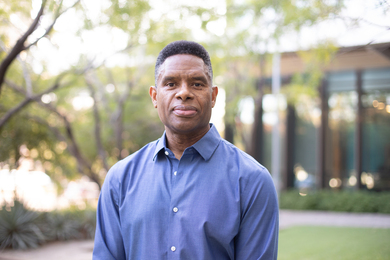
MLK Visiting Professor S. Craig Watkins looks beyond algorithm bias to an AI future where models more effectively deal with systemic inequality.
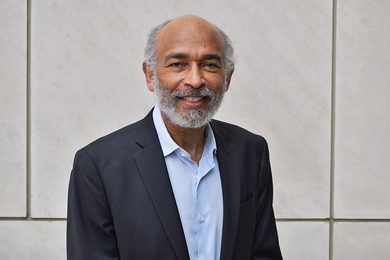
Professor describes a new research center he is working to develop where researchers will seek to improve patient care by integrating neuroscience and anesthesiology.
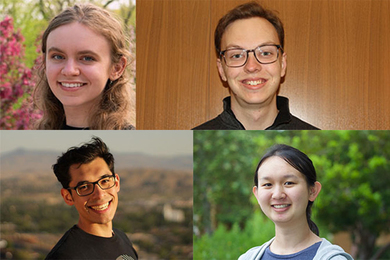
MEng graduate students engage with IBM to develop their research skills and solutions to real-world problems.

Novel lysin Abp013 has shown promising antimicrobial ability against Acinetobacter baumannii and Klebsiella pneumoniae.
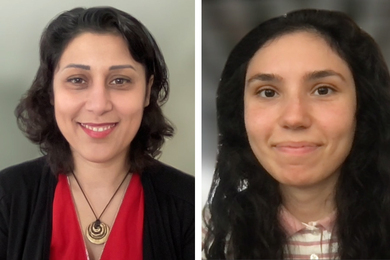
MIT Sandbox inspires highly sought health care innovations with its new Independent Activities Period program.
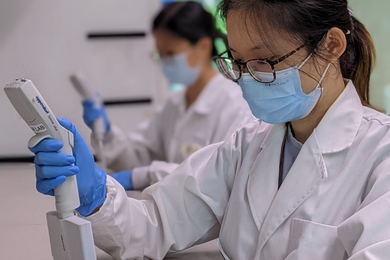
SMART researchers find explanation for why some patients might experience diarrhea after taking amoxicillin-clavulanate.
A new methodology simulates counterfactual, time-varying, and dynamic treatment strategies, allowing doctors to choose the best course of action.
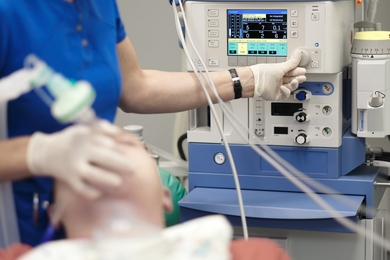
A new deep-learning algorithm trained to optimize doses of propofol to maintain unconsciousness during general anesthesia could augment patient monitoring.