Play Labs accelerator announces second annual open call for submissions
Digital currency and blockchain technology added to this year’s list of “playful tech” eligible startups.
Digital currency and blockchain technology added to this year’s list of “playful tech” eligible startups.

AI platform allows chatbots to draw on robust language database to better navigate human conversation.

The computer scientist’s group has designed a game that gets players to reflect on sexual misconduct in the workplace.

For a campus that prizes creative risk-taking, Independent Activities Period is a cultural touchstone.
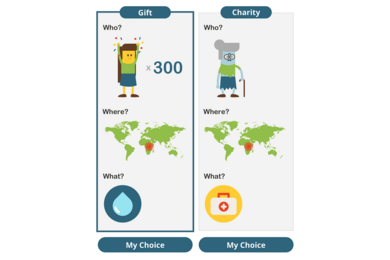
Online game uses hypothetical choices and real cash prizes to educate people on how to make their most of their generosity.

Incoming freshman refreshes Plasma Science and Fusion Center outreach tools.

Play Labs startups include virtual pets, nausea-reducing virtual reality games, and augmented-reality paintballing.

First accelerator program on the MIT campus will showcase 12 startups across a mix of gaming, virtual reality, esports, and augmented reality technologies.

CSAIL PhD student creates immersive media to help users understand each other’s backgrounds and feelings.
MIT Game Lab, Bayview Labs, and Seraph Group announce funding, facilities, and mentorship for startups focusing on virtual, augmented, and mixed reality.
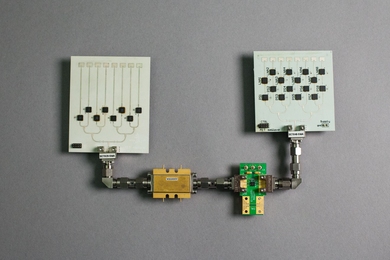
Developed at Computer Science and Artificial Intelligence Laboratory, “MoVR” system allows VR headsets to communicate without a cord
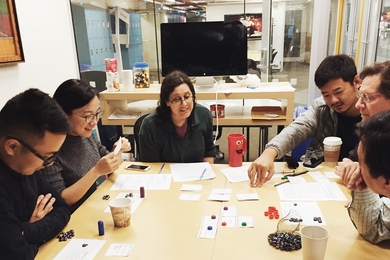
MIT’s Samuel Tak Lee MIT Real Estate Entrepreneurship Lab uses gaming to advance its mission in China.

Technique from Computer Science and Artificial Intelligence Lab could improve augmented reality and reduce the need for CGI green-screens.

The MIT Pokemon League encourages community members to join in the mobile game that's got everyone talking — and walking.

Analysis shows popular video game is among the hardest problems in the “complexity class” PSPACE.