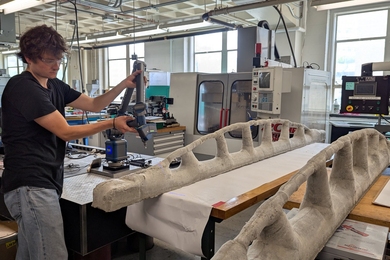
Fabric molds could bring material-saving concrete beams within reach
MIT engineers cast a concrete beam using a sewn fabric mold with one-third the amount of concrete and half as much steel as a conventional beam.
MIT engineers cast a concrete beam using a sewn fabric mold with one-third the amount of concrete and half as much steel as a conventional beam.
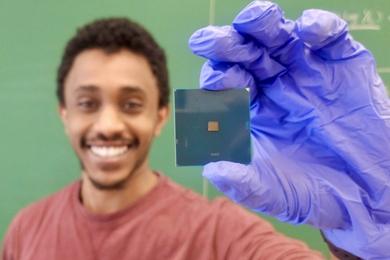
One year in, MIT’s hands-on 6-5 (Electrical Engineering With Computing) degree program is already one of the most popular majors among first-year students.
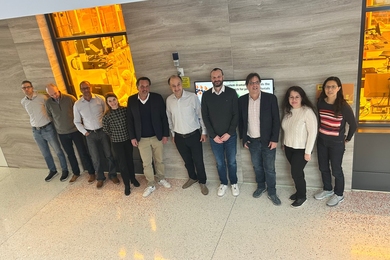
The advanced manufacturing group becomes a member and will contribute equipment to MIT.nano.

To help generative AI models create durable, real-world accessories and decor, the PhysiOpt system runs physics simulations and makes subtle tweaks to its 3D blueprints.
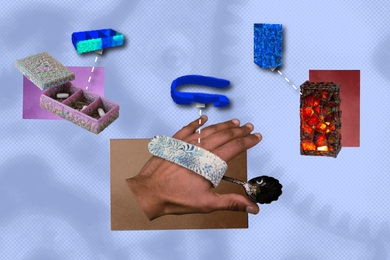
“MechStyle” allows users to personalize 3D models, while ensuring they’re physically viable after fabrication, producing unique personal items and assistive technology.
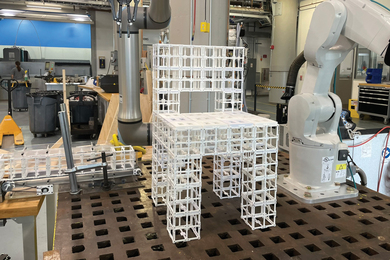
An AI-driven system lets users design and build simple, multicomponent objects by describing them with words.

The speech-to-reality system combines 3D generative AI and robotic assembly to create objects on demand.

Four new professors join the Department of Architecture and MIT Media Lab.

Mechanical metamaterials research demands interdisciplinary collaboration and innovation, say researchers from MechE's Portela Lab.
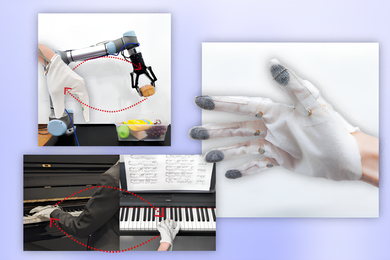
Adaptive smart glove from MIT CSAIL researchers can send tactile feedback to teach users new skills, guide robots with more precise manipulation, and help train surgeons and pilots.

The foundry gives the wider research community access to Lincoln Laboratory’s expertise in fabricating quantum circuits.

SoftZoo is a soft robot co-design platform that can test optimal shapes and sizes for robotic performance in different environments.
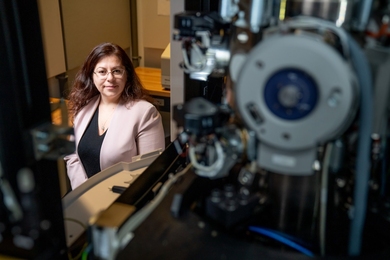
Materials scientist Anna Osherov helps researchers comprehend the nanoscale down to an atom using MIT.nano’s characterization tools.

MIT-trained electrical engineer Jorg Scholvin guides researchers fabricating new technology at MIT.nano.

Department of Architecture doctoral candidate Lavender Tessmer has advanced the process to produce textiles that can be individually customized.