
Determining the timing of methanogen evolution
Scientists conclude methane-producing microbes date back 3.5 billion years, supporting the hypothesis that they could have contributed to early global warming.
Scientists conclude methane-producing microbes date back 3.5 billion years, supporting the hypothesis that they could have contributed to early global warming.
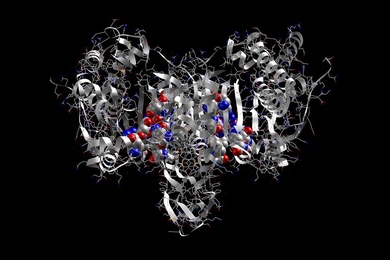
New discovery suggests that all life may share a common design principle.
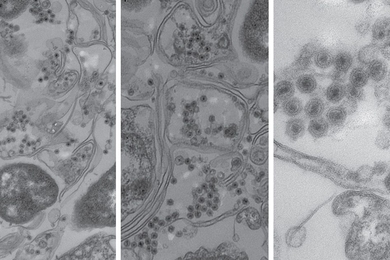
The unusual characteristics of these abundant, bacteria-killing viruses could lead to evolutionary insights.
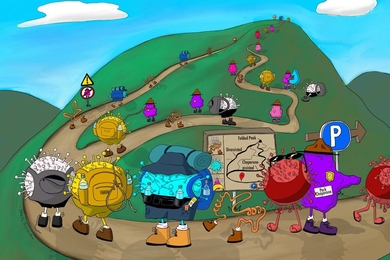
Influenza viruses can hijack host cellular machinery to help mutated viral proteins fold and function.

Method may help predict hotspots of instability affecting climate, aircraft performance, and ocean circulation.
Researchers in Greg Fournier’s geobiology lab are seeking to calibrate the ancient history of life on Earth using genomic analysis.
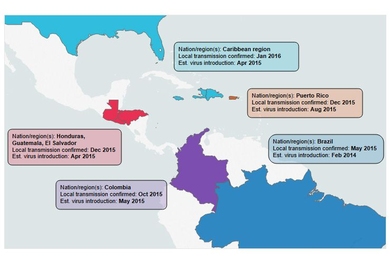
Analysis of largest collection of Zika genomes to date reveals trajectory and evolution of the virus.
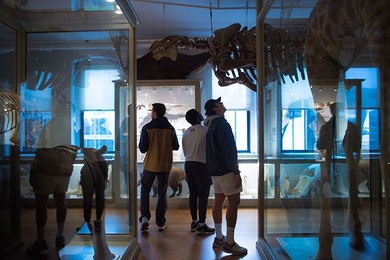
In a history seminar, engineering students explore shifting ideas about animal intelligence and human uses of animals throughout the ages.

Andrew Lo’s new book urges a rethink of financial markets, along evolutionary lines.

Asian flu strains can enter North America through Alaska, study finds.
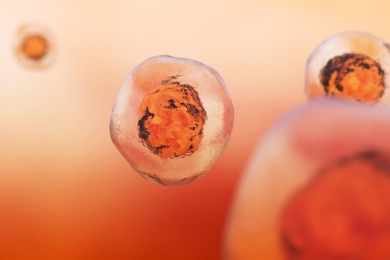
New estimate predates earliest fossil evidence by 800 million years.
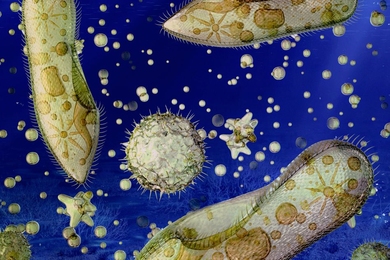
Bacteria can survive in marine environments that are almost completely starved of oxygen.

New work by composer Pete M. Wyer draws inspiration from MIT linguistic scholar Shigeru Miyagawa's hypothesis on the origins of human language.
Scientists, social scientists, and humanists heed the call of the wild at MIT workshop.

Scientists reconstruct first hours after a giant impact created one of the largest craters on the moon.