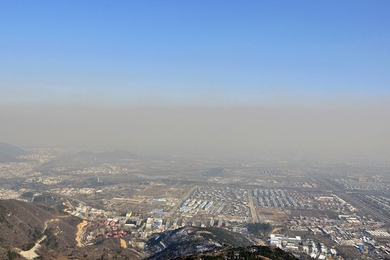
Health effects of China’s climate policy extend across Pacific
Improved air quality in China could prevent nearly 2,000 premature deaths in the U.S.
Improved air quality in China could prevent nearly 2,000 premature deaths in the U.S.

Despite being highly migratory, tuna may benefit from ocean sanctuaries, study finds.
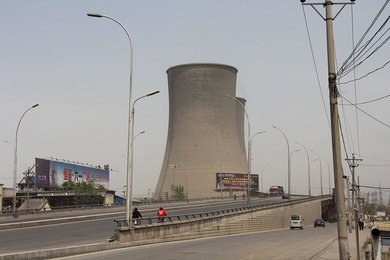
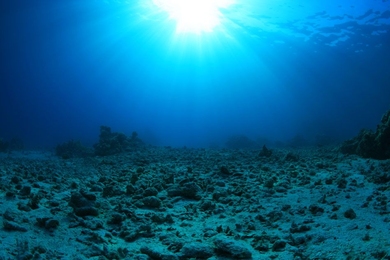
Carbon dioxide emissions may trigger a reflex in the carbon cycle, with devastating consequences, study finds.

The incubator’s winding journey to success helped its startup community grow closer while addressing environmental challenges.
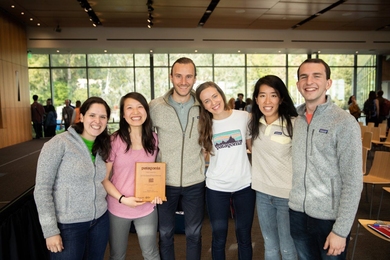
MIT PhD and MBA students proposed a winning solution for sustainable food and apparel packaging.

Study shows minerals sequester carbon for thousands of years, which may explain oxygen’s abundance in the atmosphere.
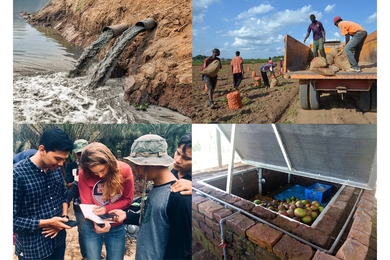
Nine principal investigators from MIT will receive grants totaling over $1 million for solutions-oriented research into global food and water challenges.
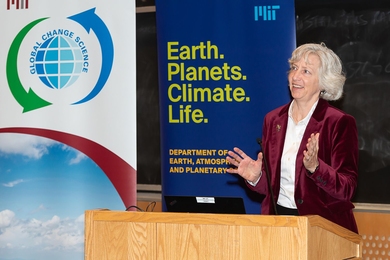
For the 17th annual Kendall Lecture, Gretchen Daily analyzes species and ecosystem services and leverages natural capital to build a green financial system.
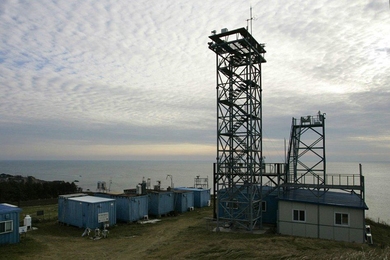
Despite global phase-out, the ozone-depleting chemical is still in production in eastern China.
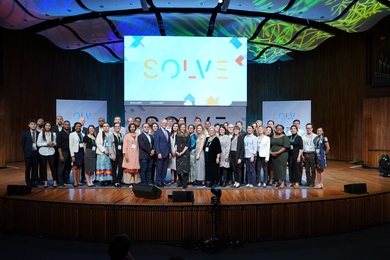
Solve at MIT 2019 connects cross-sector leaders to accelerate tech startups addressing some of the world’s most pressing problems.

Region dominates the transfer of heat from the equator to the poles in both hemispheres, challenging the "great conveyor belt" model.

Results may help researchers interpret ancient monsoon variations, predict future activity in the face of climate change.
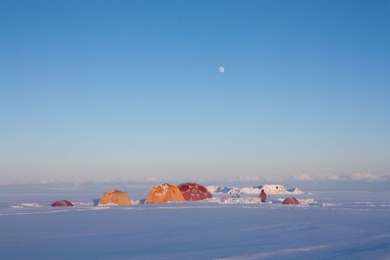
Phytoplankton decline coincides with warming temperatures over the last 150 years.
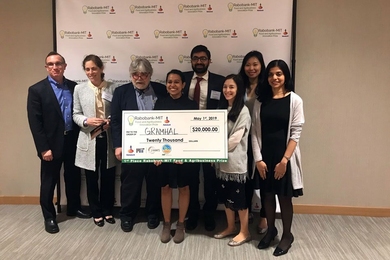
Seven finalist teams pitched their business ideas at the Rabobank-MIT Food and Agribusiness Innovation Prize competition.