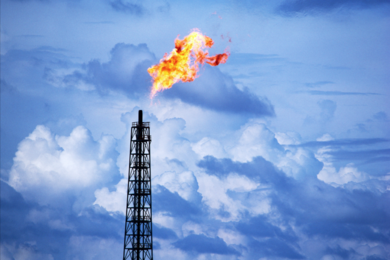
How to count methane emissions
Study provides new metric for comparing the greenhouse gases methane and carbon dioxide.
Study provides new metric for comparing the greenhouse gases methane and carbon dioxide.
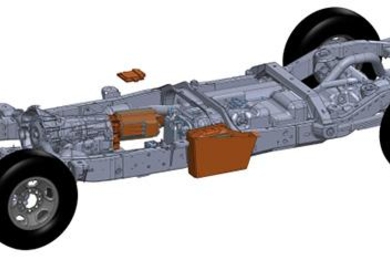
MIT spinout XL Hybrids fits gas-guzzlers with electric powertrains, cutting gas consumption.
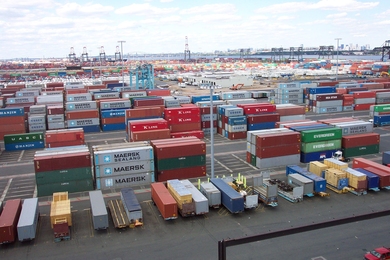
Tsinghua, MIT researchers find China’s plan to restructure the economy will have limited impact on global carbon emissions associated with the production and trade of goods.
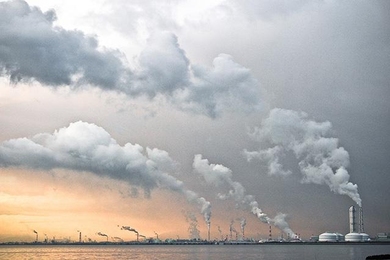
Researchers find that national estimates of methane emissions have been underestimated over the past 20 years.
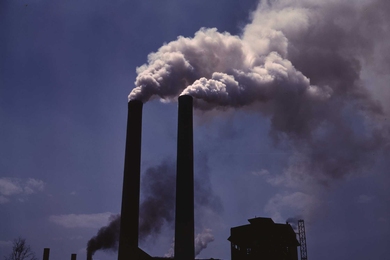
MIT, Singapore researchers use a new method to find that black carbon emissions are much higher than majority of global air-pollution studies.
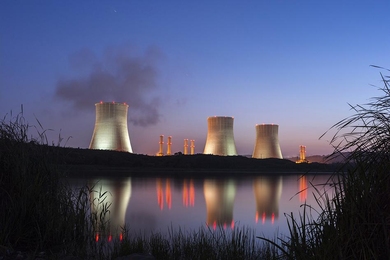
New analysis shows that policies addressing energy consumption and technology choices individually can play an important part in reducing emissions.
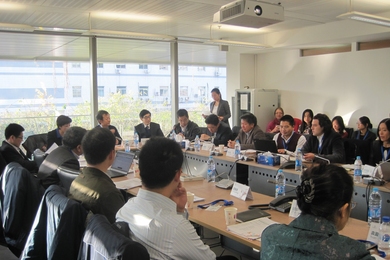
Researchers consult policymakers on choice of policies to study
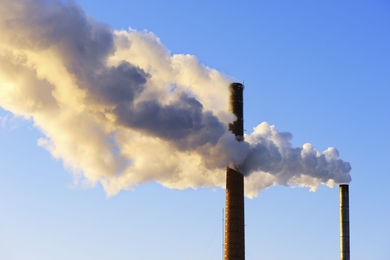
MIT and Tsinghua University researchers compare the impacts of current provincial targets to a national emissions trading program.
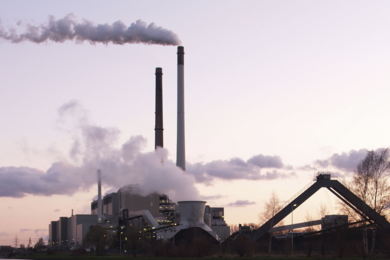
MIT researcher Noelle Selin assesses the challenges of implementing the first global mercury treaty.

New MIT study finds vehicle emissions are the biggest contributor to these premature deaths.

Assistant Professor Noelle Selin and students participate in project to better understand air pollution’s climate and health impacts
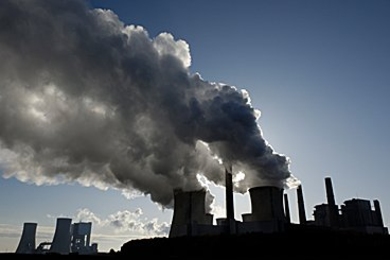
New quasi-experimental research finds major impact of coal emissions on health.
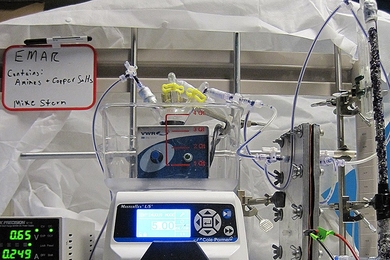
Proposed method could be more efficient than previous systems and easier to retrofit in existing power plants.

The E2e Project aims to give decision-makers real-world evidence on the most cost-effective ways to reduce energy and emissions.