
Mentorship program encourages underrepresented graduate applicants in EECS
Program pairs student mentors in electrical engineering and computer science with applicants from underrepresented backgrounds.
Download RSS feed: News Articles / In the Media / Audio
Program pairs student mentors in electrical engineering and computer science with applicants from underrepresented backgrounds.

New technique provides a means of interconnection between processors, opening the way to a complete quantum computing platform.
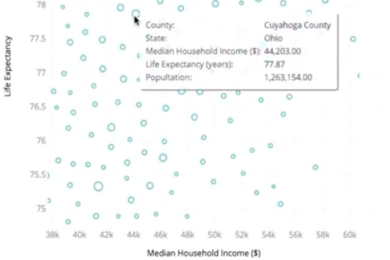
Large datasets are difficult to depict as scatterplots — but that may change with a new CSAIL project for creating interactive visualizations.
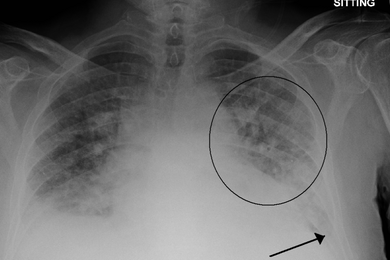
Many health issues are tied to excess fluid in the lungs. A new algorithm can detect the severity by looking at a single X-ray.

When Covid-19 forced Edgerton Center student teams off campus, the engineers found their problem-solving skills put to the test.
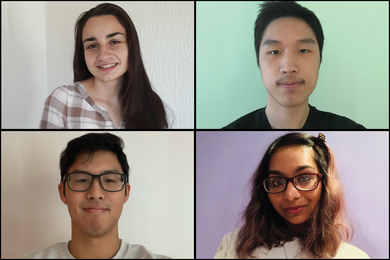
Working remotely this summer, students worked to better understand human intelligence and to advance machine learning applications.
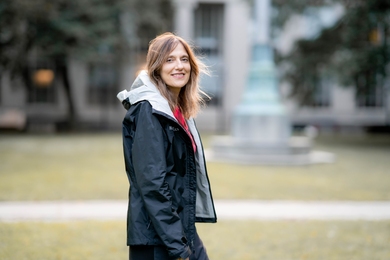
MIT professor announced as award’s first recipient for work in cancer diagnosis and drug synthesis.
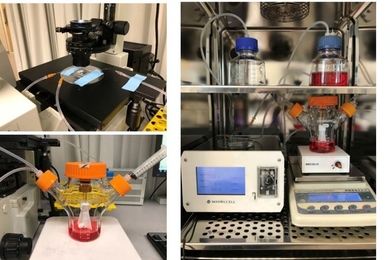
New technology cuts cell culture time by half and uses more targeted cell sorting and purification methods.
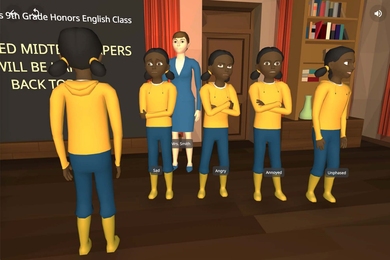
Computational model developed at MIT builds off of 2019 research examining colorblind racial attitudes through a video game.
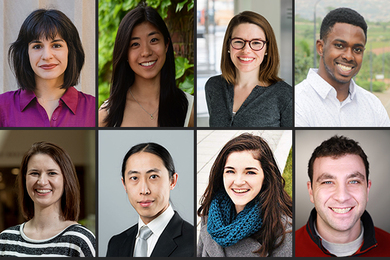
Eight 2020 graduate fellows pursue diverse paths.

Wireless device captures sleep data without using cameras or body sensors; could aid patients with Parkinson’s disease, epilepsy, or bedsores.
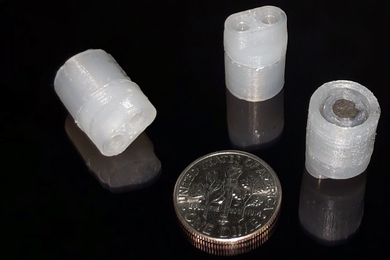
Design is the first demonstration of a magnetic, multi-material pump 3D printed all in one piece.
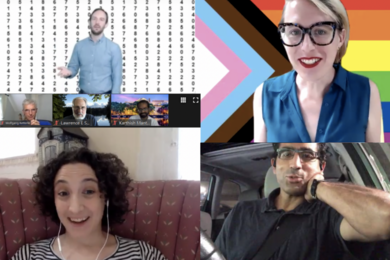
Thirty-one MIT instructors honored for digital teaching excellence in extraordinary circumstances.
By securely aggregating sensitive data from cyber-attacks, the SCRAM platform from MIT CSAIL can quantify an organization’s level of security and suggest what to prioritize.
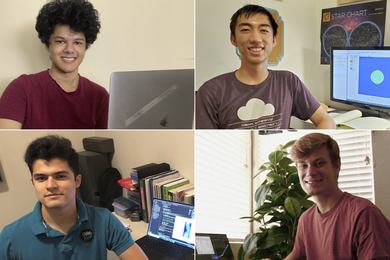
Undergraduate research opportunities in the Plasma Science and Fusion Center’s High-Energy-Density Physics division support multiple fusion collaborations.