
Creating a game plan for transition to a sustainable economy
Jeffrey Hollender enumerates the many reasons he’s feeling bleak these days.
Jeffrey Hollender enumerates the many reasons he’s feeling bleak these days.
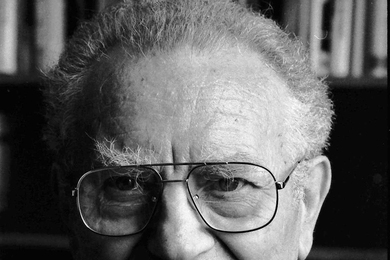
In a career that spanned seven decades, he transformed his field, influenced millions of students and turned MIT into an economics powerhouse

A new study suggests certain types of funding — which provide more freedom and focus less on near-term results — lead to more innovative and influential research.
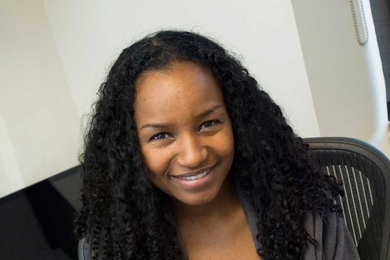
MIT business professor Renee Richardson Gosline shows that people are often unsure about telling authentic luxury goods from fakes — until they see who’s using them.
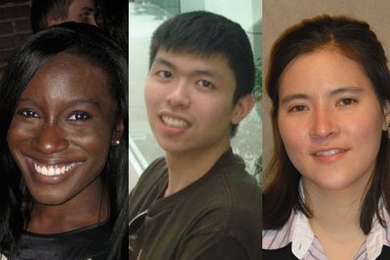

MIT researchers think America's obesity epidemic can be reversed via ‘foodsheds,’ in which healthier, more affordable food is produced and consumed regionally.

The U.S. health system has been ranked second in the world in expenditures — and 38th in the world for performance. What's going on?

MIT economists find a new reason to think that environment, not innate ability, determines how well girls do in math class

The MIT economist blames inadequate incentives for the failure to develop a vaccine against the virus that causes AIDS. He argues governments should help industry create an HIV vaccine by sharing risk.
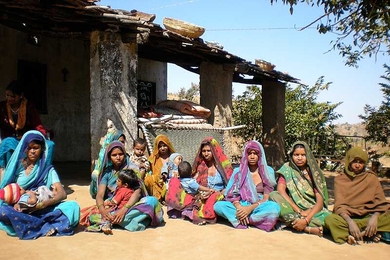
MIT’s undergraduates fight poverty one statistic at a time, thanks to coordination between the Undergraduate Research Opportunities Program and the Abdul Latif Jameel Poverty Action Lab.

MIT economists are trying to learn how and why some Boston charter schools were able to produce stunning results. What they discover could serve as a lesson for America’s struggling public schools.

MIT's Erik Brynjolfsson explains how technology really helps the economy — even as the restructuring it is spurring causes pain.
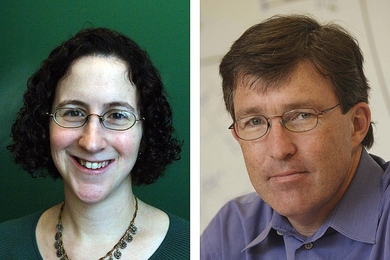
Professor of Economics Amy Finkelstein and Tyler Jacks, director of the Koch Institute, join arm of the National Academies of Science.