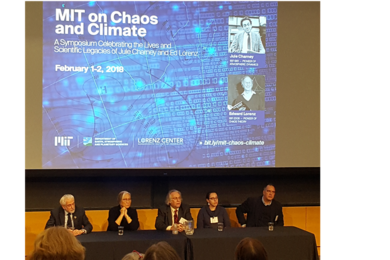
Chaos and climate: Celebrating two pioneers of modern meteorology
Trailblazing scientists Jule Charney and Edward Lorenz gave us numerical weather prediction and chaos theory, highlighting the value of basic research.
Trailblazing scientists Jule Charney and Edward Lorenz gave us numerical weather prediction and chaos theory, highlighting the value of basic research.
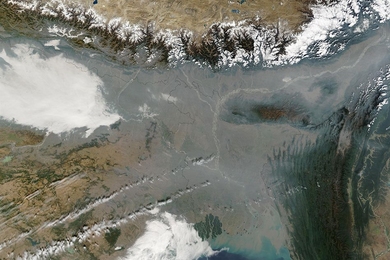
Joint Program researchers advocate for improved modeling approach.

The 51 Pegasi b Postdoctoral Fellowship provides junior scientists the opportunity to conduct theoretical, observational, and experimental research in planetary astronomy.
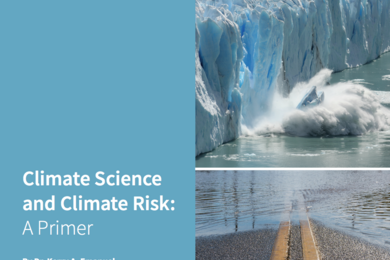
MIT Professor Kerry Emanuel explains the science behind climate change, as well as the associated risks and how to quantify them.
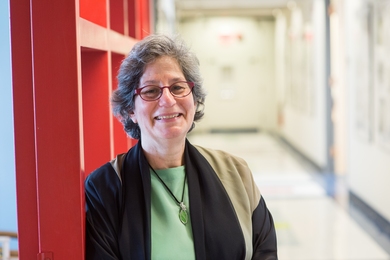
Professor of atmospheric chemistry honored for her contributions to atmospheric science.
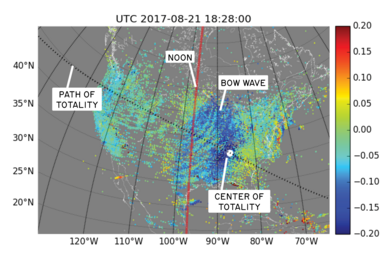
MIT Haystack Observatory researchers find that the moon's shadow created long-predicted ionospheric bow waves during the August eclipse.
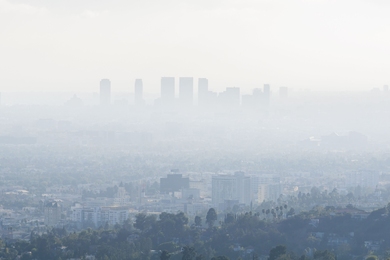
Research shows the Clean Air Act was likely responsible for a dramatic decline in atmospheric organic aerosol.
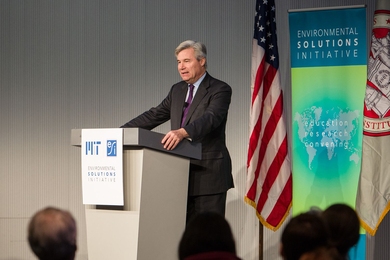
At an Environmental Solutions Initiative event, U.S. Senator Sheldon Whitehouse speaks about defending science and moving forward on climate action.
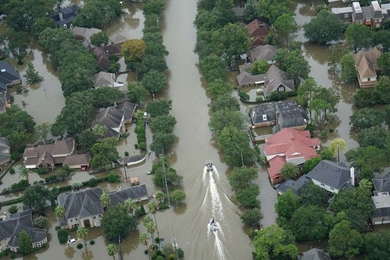
Study finds state’s annual risk of extreme rainfall will rise from 1 to 18 percent.
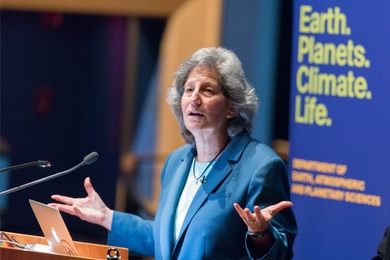
Susan Solomon's John H. Carlson Lecture examines past environmental challenges in the context of today's fight against climate change.

Atmospheric chemist takes on pollutants and the global treaties written to control them.
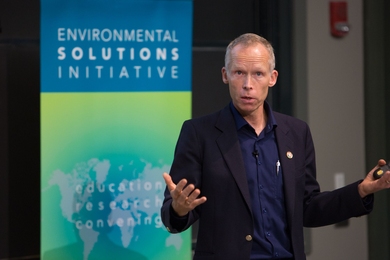
Stockholm Resilience Center executive director and Stockholm University professor speaks at the Environmental Solutions Initiative’s People and the Planet lecture series.
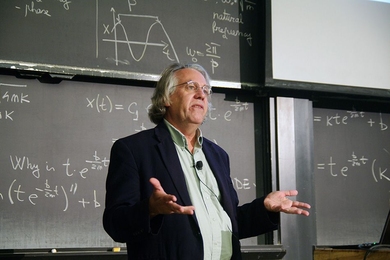
Climate scientist describes physics behind expected increase in storm strength due to climate change.
By 2100, oceans may hold enough carbon to launch mass extermination of species in future millennia.