
Fine-tuning multiphysics problems
Nuclear science and engineering graduate student Miriam Kreher codes to create better models for complex interactions within nuclear reactors.
Nuclear science and engineering graduate student Miriam Kreher codes to create better models for complex interactions within nuclear reactors.
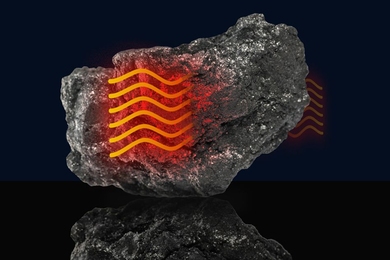
At relatively balmy temperatures, heat behaves like sound when moving through graphite, study reports.
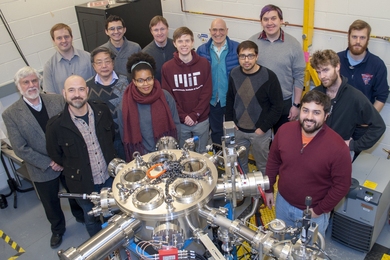
Award will support educational and research efforts in high-energy-density physics at MIT and four academic research partners.
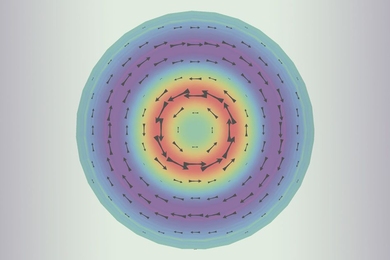
The particle’s core withstands pressures higher than those inside a neutron star, according to a new study.

System that generates coherent single particles of light could help pave the way for quantum information processors or communications.
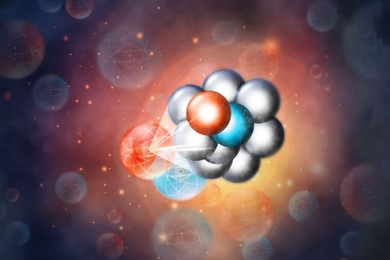
Number of proton-neutron pairs determine how fast the particles move, results suggest.
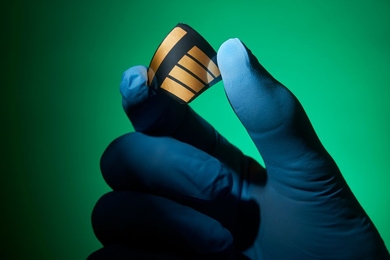
New results show how varying the recipe could bring these materials closer to commercialization.

Climate-driven changes in phytoplankton communities will intensify the blue and green regions of the world’s oceans.

Theoretical analysis distinguishes observed “holes” from the huge list of hypothetically possible ones.
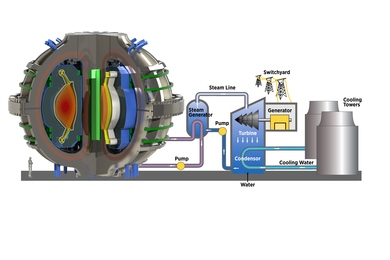
National Academies study recommends a pilot fusion energy program that aligns with MIT's fusion approach and SPARC project.
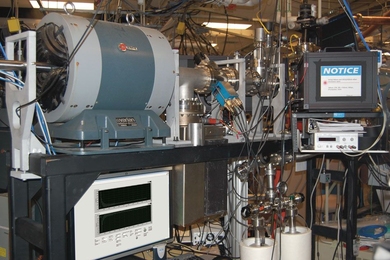
Facility could rapidly provide data on how material properties change in a nuclear reactor.
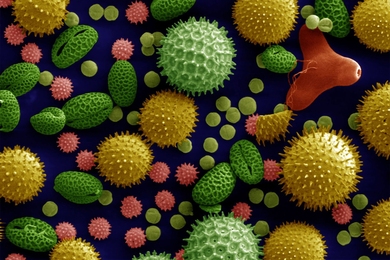
Whitehead Institute and MIT researchers uncover the detailed molecular structure of the sporopollenin polymer, an inert material key for the emergence of land plants.
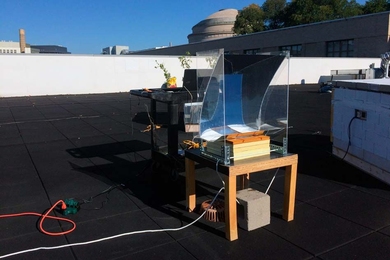
High-temperature steam might be used in remote regions to cook, clean, or sterilize medical equipment.
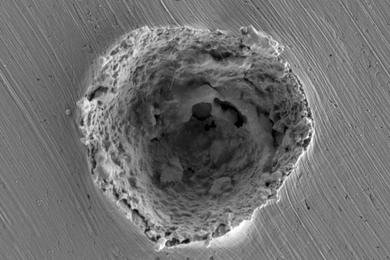
High-speed camera shows incoming particles cause damage by briefly melting surfaces as they strike.

Researchers uncover the factors that have caused photovoltaic module costs to drop by 99 percent.