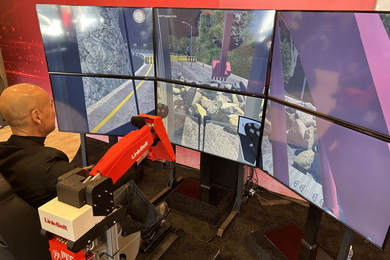
MIT engineers design a better controller for operating construction diggers
The new, more intuitive system could speed up the training process for excavator operators.
The new, more intuitive system could speed up the training process for excavator operators.
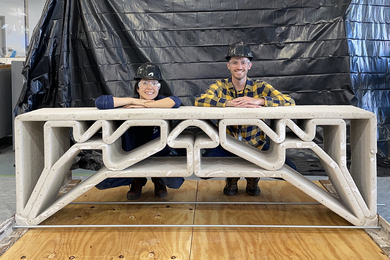
MIT researchers developed a framework that folds a printer’s real-world limits into the optimization, while revealing that better hardware could sharply reduce material use.
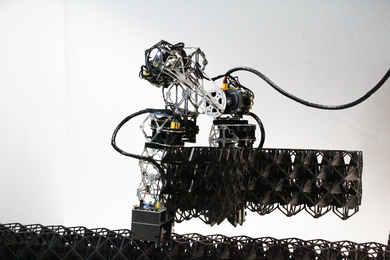
New research suggests constructing a simple building from interlocking subunits should be mechanically feasible and have a much smaller carbon footprint.

Reframe Systems, co-founded by Vikas Enti SM '20, creates microfactories for modular home construction, reducing carbon emissions and costs.
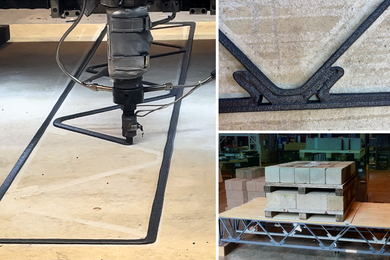
MIT engineers are using recycled plastic to 3D print construction-grade floor trusses.

MIT researchers analyzed a recently discovered ancient construction site to shed new light on a material that has endured for thousands of years.

Four new professors join the Department of Architecture and MIT Media Lab.

MIT students and faculty designed and fabricated a control room for a unique lunar landing mission — an achievement in design and engineering.
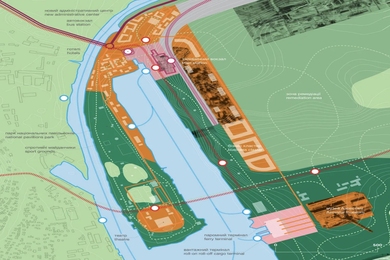
A collaboration between MIT professors of urban studies and planning and the Association of Ukrainian Cities aims to empower Ukraine’s municipal leaders to drive recovery after the war.
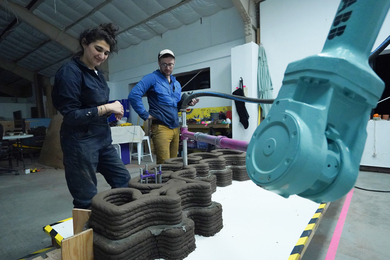
Builders pour concrete into temporary molds called formwork. MIT researchers invented a way to make these structures out of on-site soil.
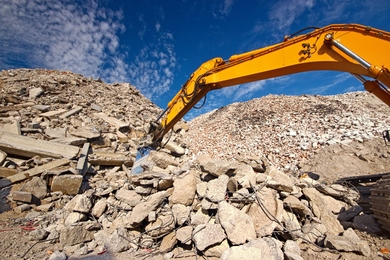
A better understanding of construction industry stakeholders’ motivations can lead to greater adoption of circular practices.
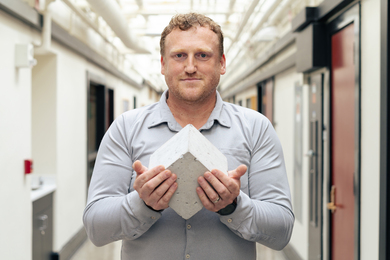
The associate professor of civil and environmental engineering studies ancient materials while working to solve modern problems.

Sublime Systems, founded by Professor Yet-Ming Chiang and former postdoc Leah Ellis, has developed a sustainable way to make one of the world’s most common materials.

The grants fund studies of clean hydrogen production, fetal health-sensing fabric, basalt architecture, and shark-based ocean monitoring.

In order to recycle construction materials, keep them close to home, a new study of Amsterdam suggests.