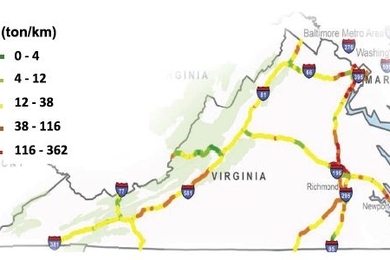
MIT and French research institutions collaborate on climate-conscious materials
MultiScale Material Science for Energy and Environment research partnership could reduce the carbon footprint of materials such as concrete.
MultiScale Material Science for Energy and Environment research partnership could reduce the carbon footprint of materials such as concrete.
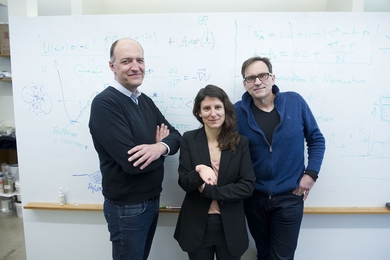
New understanding of concrete’s properties could increase lifetime of the building material, decrease emissions.

Concrete Sustainability Hub researcher Omar Swei is working to help Jordanian planners optimize maintenance on state-owned highways.
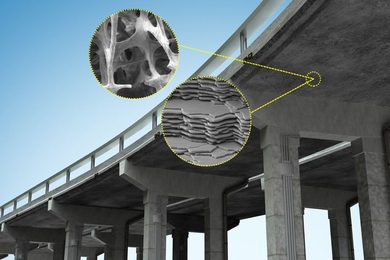
Researchers look to bones and shells as blueprints for stronger, more durable concrete.

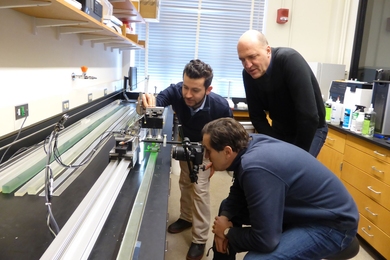
Oral Buyukozturk develops innovative designs and technologies for durable, sustainable physical infrastructure projects.
Research aims to encourage decision makers to think of infrastructure as part of the solution in a carbon constrained environment.
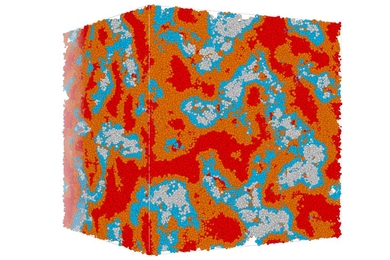
Findings may guide development of formulas to make the material more durable, less CO2-intensive.
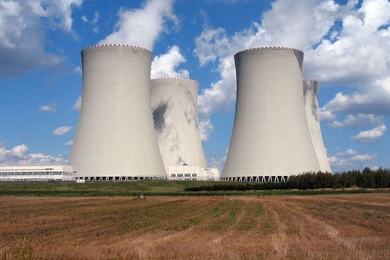
New research shows concrete is a strong choice for the long-term confinement of nuclear waste.
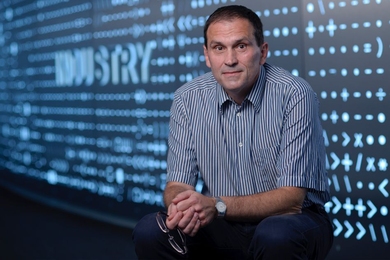
Franz-Josef Ulm explores the physics of dirty materials and messy systems to advance sustainable infrastructure and clean energy technology.

A leader in the field of cement chemistry, Jennings developed the first fully quantitative model of the nanostructure of CSH, the major component of hydrated cement.

Engineer studies materials' role in manufacturing and infrastructure.
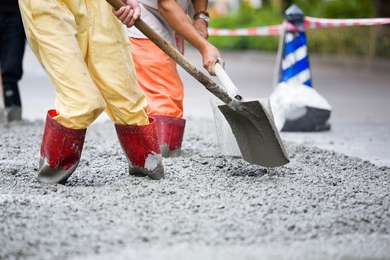
Analysis of material's molecular structure leads to a new formula that could cut greenhouse-gas emissions.
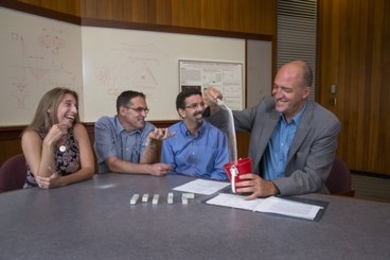
The MIT Concrete Sustainability Hub seeks to advance the scientific basis for evaluating the environmental impact of concrete.

MIT Concrete Sustainability Hub works to meet Climate Action Plan goals