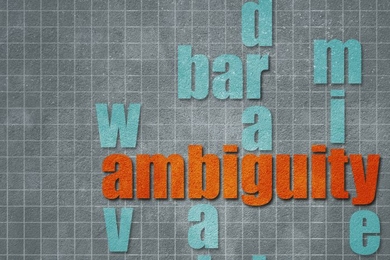
The advantage of ambiguity
Cognitive scientists develop a new take on an old problem: why human language has so many words with multiple meanings.
Cognitive scientists develop a new take on an old problem: why human language has so many words with multiple meanings.

For a large range of practically useful cases, MIT researchers find a way to increase the speed of one of the most important algorithms in the information sciences.
Project Angstrom selected by magazine's editors; featured in December issue
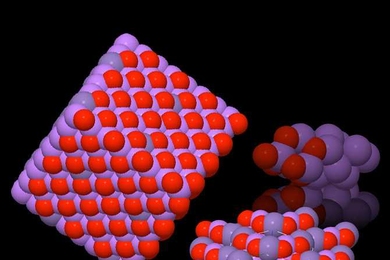
Exhaustive reference system and interactive toolkit could revolutionize materials research, potentially enabling new types of manufacturing.
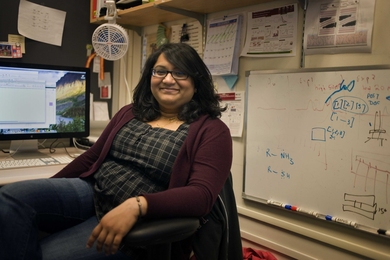
New advance could lead to even smaller features in the constant quest for more compact, faster microchips.

CSAIL associate professor develops AI systems that can interpret images.
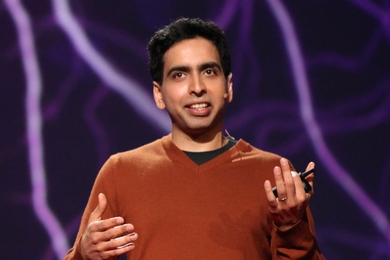
Online-education pioneer, MIT alumnus to speak to the Class of 2012 on June 8.

A computational biologist and physician, Collin Stultz takes a unique approach to studying diseases that could lead to new treatments.

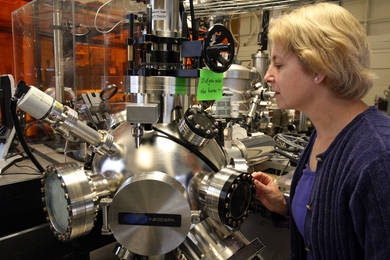
Research at MIT produces long-sought component to allow complete optical circuits on silicon chips.

With knowledge and data, a smarter world will divide work between computers and humans, search engine executive chairman says.
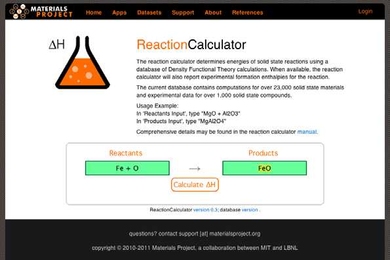
MIT, Lawrence Berkeley launch new tool to calculate properties of new materials

New technique searches for subtle indicators of risk hidden in a patient’s EKG.

By automatically cataloging connections between software 'objects,' a new system orients programmers joining large software projects in midstream.