
At COP21, finding hope for climate in the "Aerocene"
Visiting Artist Tomás Saraceno and MIT scientists join forces to confront climate crisis at United Nations conference.
Visiting Artist Tomás Saraceno and MIT scientists join forces to confront climate crisis at United Nations conference.
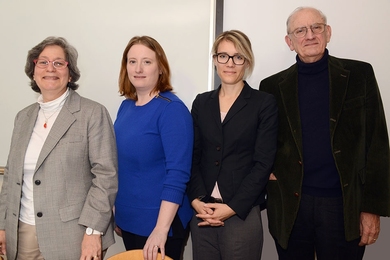
Panel of MIT experts explores the promise and perils of a global agreement.

To help achieve its commitment to reducing greenhouse gas emissions, MIT is set to upgrade its on-campus cogeneration plant.
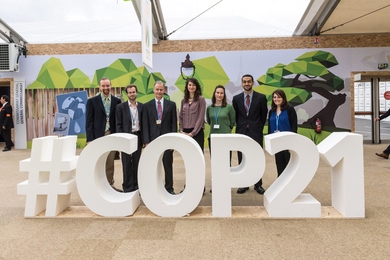
MIT events throughout climate talks underscore Institute’s global perspectives and partnerships.
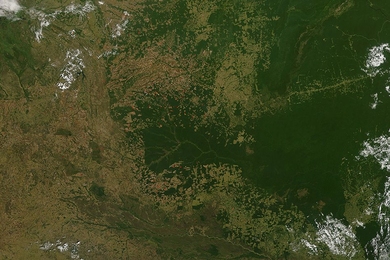
Study shows significant differences in costs associated with curbing greenhouse gas emissions in Brazil and Mexico.
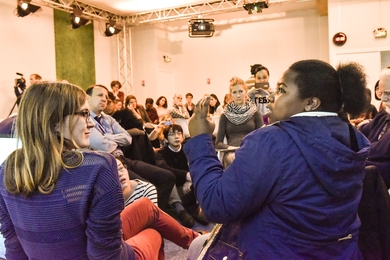
"World Climate" simulation, developed by MIT and Climate Interactive, challenges perceptions about climate negotiations and countries’ development needs.

Faculty and students from the Program in Atmospheres, Oceans, and Climate visited our nation’s capital to build relationships with policymakers on both sides of the aisle.
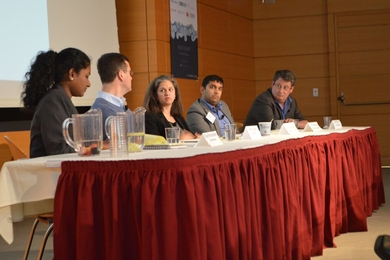
MIT Water Summit presents insights, innovations, and solutions to protect our world’s most abundant natural resource.
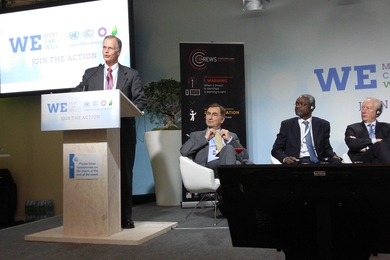
The MIT Climate CoLab, in collaboration with the UN secretary-general, will launch a series of online contests seeking solutions for climate-vulnerable communities.
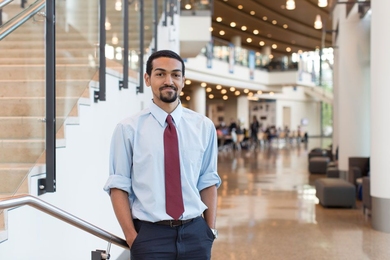
A passion for climate policy leads to an opportunity to attend the United Nations climate change conference, where countries look to forge new solutions.
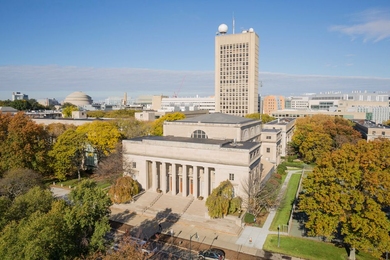
Preliminary plan sets priorities for sustainable buildings, stormwater and land management, materials, and greener labs.

Meeting with French leaders and industry representatives at U.S. Embassy in Paris highlights value of interdisciplinary partnerships to advance low-carbon technologies.
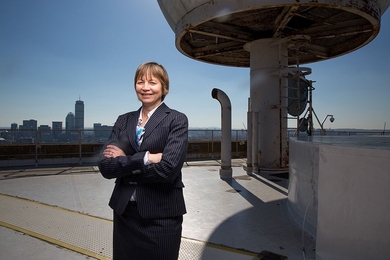
MIT’s vice president for research looks ahead to implementation.
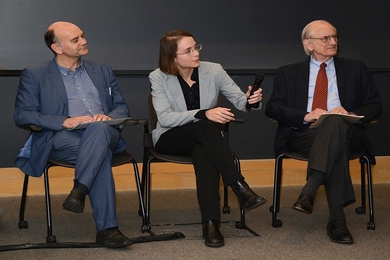
Leading climate economists discuss prospects for a global agreement.