Four MIT professors elected to the National Academy of Sciences
Field, Kac, Vogan and Walker bring to 76 the number of Institute faculty who are NAS members.
Field, Kac, Vogan and Walker bring to 76 the number of Institute faculty who are NAS members.
Chemist and nutrition scientist was a pioneer in women's rights on campus and loved sailing.

Indian teen Tuhin Bagi uses MIT OpenCourseWare to enhance his studies and set his sights on future endeavors.
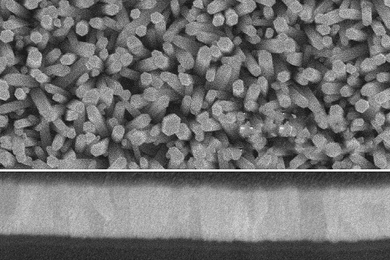
MIT researchers improve efficiency of quantum-dot photovoltaic system by adding a forest of nanowires.
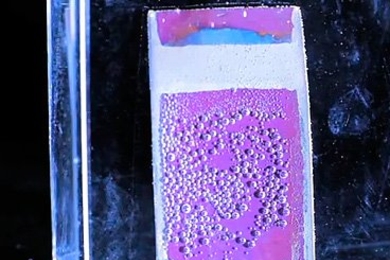
New analysis points the way to optimizing efficiency of an integrated system for harvesting sunlight to make storable fuel.
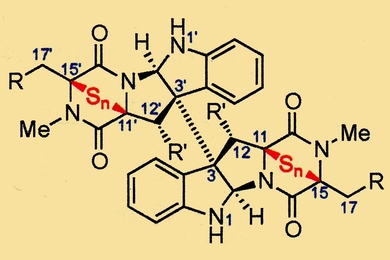
Study of several dozen compounds based on a fungal chemical shows potent anti-tumor activity.
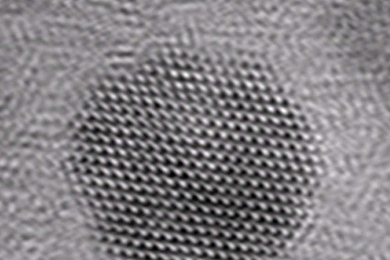
New production method could enable everything from more efficient computer displays to enhanced biomedical testing.
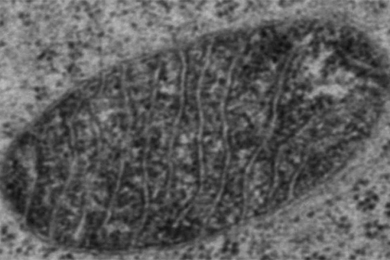
New technique pinpoints protein locations, helping scientists figure out their functions.
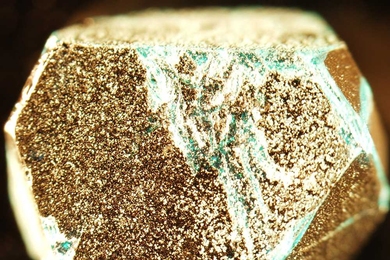
Experiments demonstrate ‘quantum spin liquid,’ which could have applications in new computer memory storage.
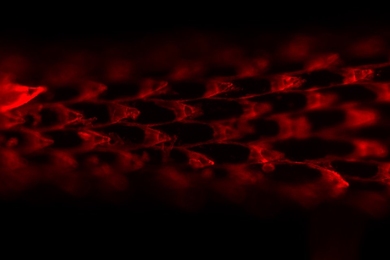
Understanding the mechanisms behind quill penetration and extraction could help engineers design better medical devices.
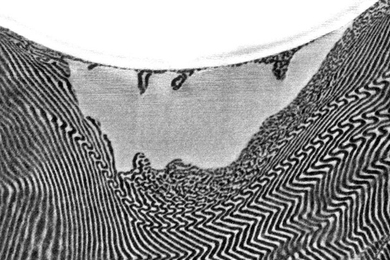
New tests of nanostructured material could lead to better armor against everything from gunfire to micrometeorites.
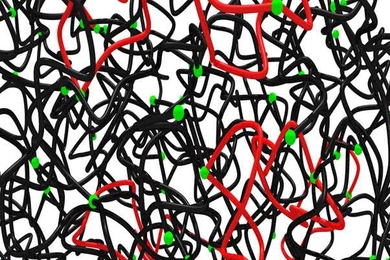
Counting loops that weaken materials could help researchers eliminate structural flaws.
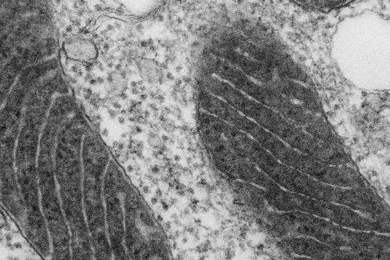
Protein-labeling technique allows high-resolution visualization of molecules inside cells.
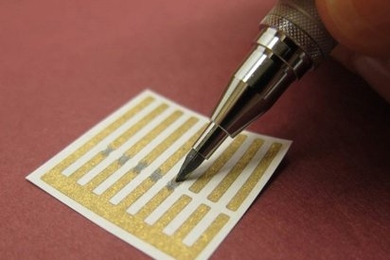
New low-cost, durable carbon nanotube sensors can be etched with mechanical pencils.
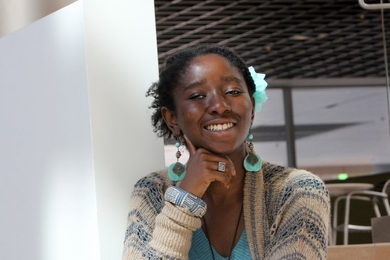
MIT senior Victoria Okuneye traveled to Mexico and Jamaica to pursue her passions for neuroscience and global service.