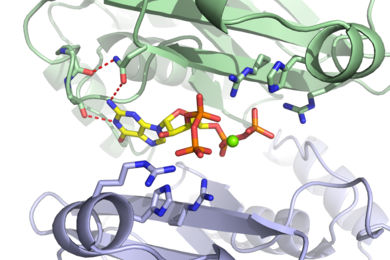
Engineering "capture compounds" to probe cell growth
Researchers develop a method to investigate how bacteria respond to starvation and to identify which proteins bind to the “magic spot” — ppGpp.
Researchers develop a method to investigate how bacteria respond to starvation and to identify which proteins bind to the “magic spot” — ppGpp.
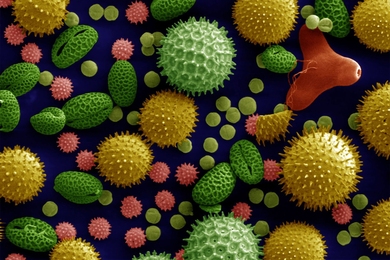
Whitehead Institute and MIT researchers uncover the detailed molecular structure of the sporopollenin polymer, an inert material key for the emergence of land plants.
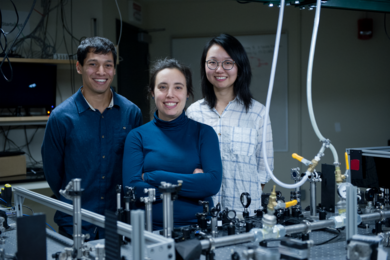
Studies of how photoprotection works at the molecular level may provide a pathway to more biomass and crops.
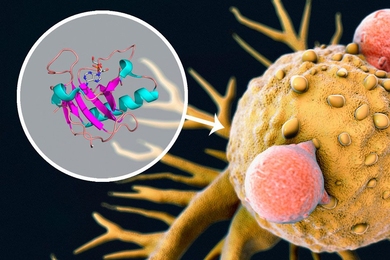
Chemists discover an unexpected synergy between two types of cancer drugs.

Together, cell growth rate and gene expression shed light on why some tumor cells survive treatment.

For three Committed to Caring honorees, mentorship is demonstrated through generosity and making connections.

Led by “Queen of Batteries” Christina Lampe-Onnerud, Cadenza Innovation is licensing its lithium ion battery cell architecture to manufacturers around the world.
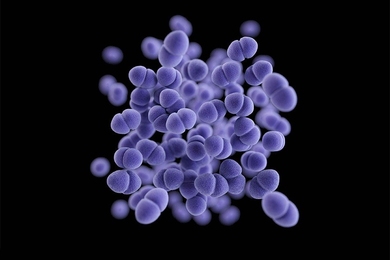
Simple method for linking molecules could help overcome drug resistant infections.

Startup SQZ Biotech aims to open a new path in immunotherapy with its cell-compressing technique.

Researchers and experts attend African Sustainable Development Conference at MIT.
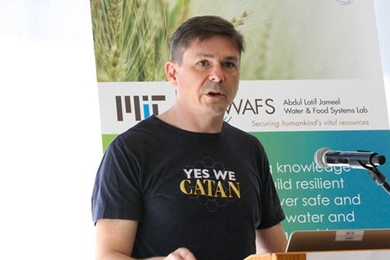
Researchers from across MIT showcase J-WAFS-funded projects tackling critical water and food systems challenges from solutions-oriented perspectives.

Living and working in a glass cube, an interdisciplinary team of students reimagined the ambulance of the future as part of a global startup competition.
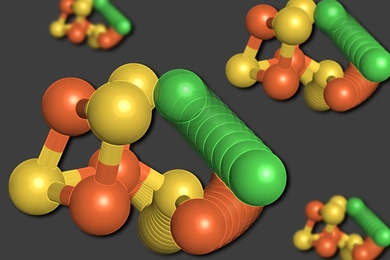
Metal cluster in enzyme that breaks down carbon dioxide can switch between two different shapes.

Gift honors emeritus Institute Professor’s respect for MIT and its community.

MIT.nano building, the largest of its kind, will usher in a new age of nanoscale advancements.