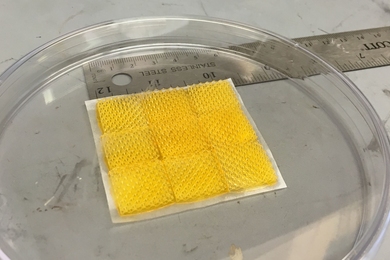
J-WAFS awards $1.4 million in third round of seed grant funding
Principal investigators will receive grants of up to $200,000 per year for two years, overhead free, for innovative research on food and water challenges.
Principal investigators will receive grants of up to $200,000 per year for two years, overhead free, for innovative research on food and water challenges.
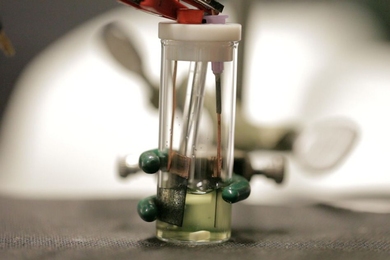
Electrochemical method can remove even tiny amounts of contamination.
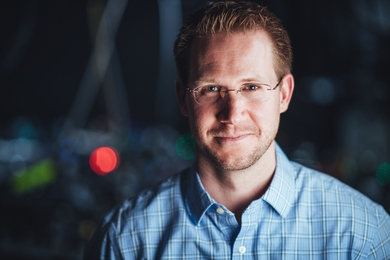
Associate professor receives honor for young academics who combine outstanding teaching with impressive independent scholarship in the chemical sciences.
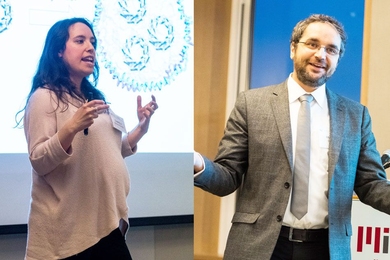
Chemistry alumni and friends enjoy an evening of food, drink, and talks by Associate Professor Mircea Dincă and Assistant Professor Gabriela Schlau-Cohen.
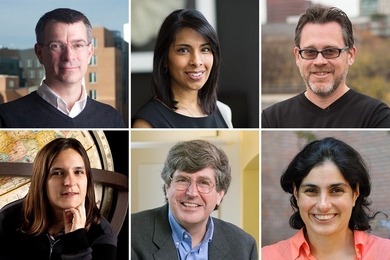
Bell, Bhatia, Cummins, Duflo, Jensen, and Mavalvala honored for research achievements.
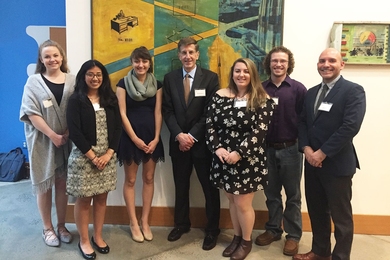
MIT grad student John Arroyo honored for his service to the community; six high school and college students awarded $1,000 Memorial Scholarships.
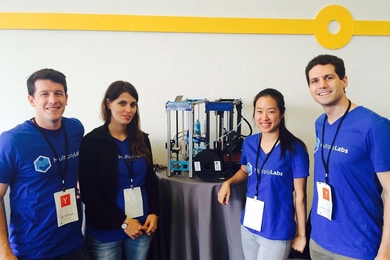
Seed funding from the MIT Sandbox Innovation Fund helped Multiply Labs' founders launch their personalized dietary supplement startup.
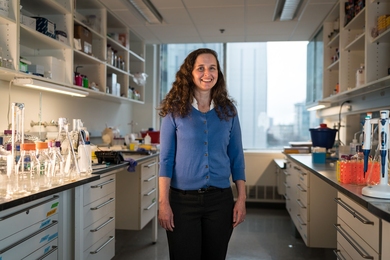
Hadley Sikes is bridging the gap between engineering and public policy to solve big social problems at home and abroad.
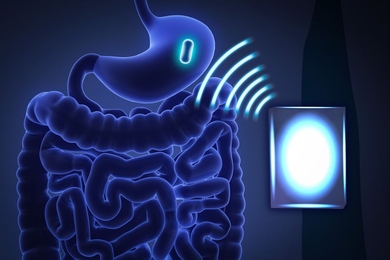
Small sensors or drug delivery devices could reside in the GI tract indefinitely.
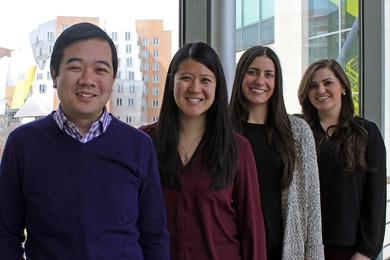
Chemical engineering and chemistry postdocs “expected to become the next generation of leaders and innovators in science, engineering, and technology.”
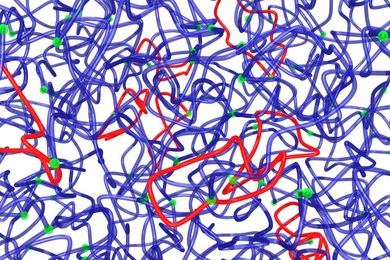
Simple technique cuts down on loops that weaken materials such as plastic and rubber.
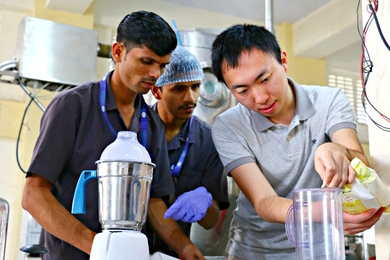
New research on ready-to-use therapeutic food seeks drastic reduction in fatalities from severe acute malnutrition in India.
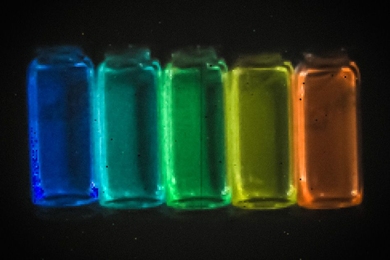
“Quantum dots” that emit infrared light enable highly detailed images of internal body structures.
MIT principal investigators will apply cutting-edge research to the challenges of the developing world, seeking a large-scale impact.