
Researchers develop new method for understanding network connections
Technique could be applied to the study of disease, social networks and other diverse fields.
Technique could be applied to the study of disease, social networks and other diverse fields.
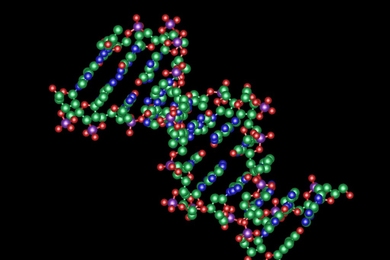
New technique can rapidly turn genes on and off, helping scientists better understand their function.
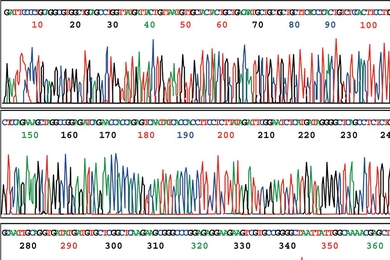
Improved technique makes it easier to add or delete genes in living cells, with less risk of off-target DNA damage.
Engineered liver tissue developed at MIT could help scientists test new drugs and vaccines.
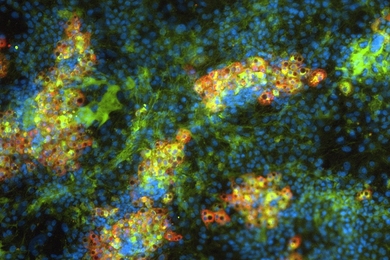
Researchers identify compounds that help liver cells grow outside the body.
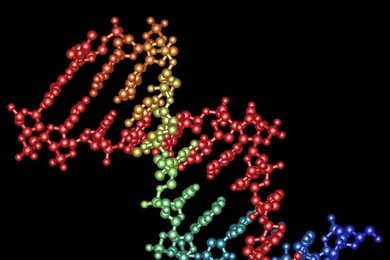
New method allows scientists to insert multiple genes in specific locations, delete defective genes.
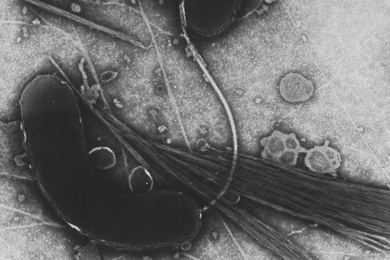
In some populations, natural antibiotics are produced by a few individuals whose closest relatives carry genes conferring resistance.
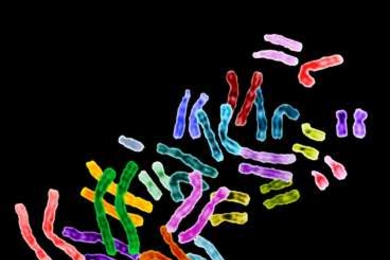
New map provides a reference for interpreting function of disease-associated regions.
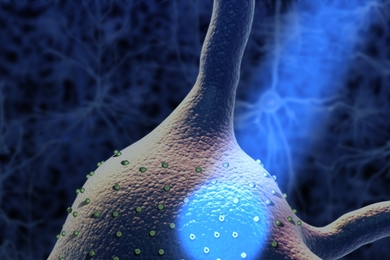
Ed Boyden and Feng Zhang awarded the Perl/UNC Neuroscience Prize
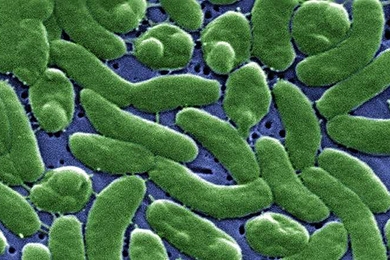
A single gene mutation can sweep through a population, opening the door for the concept of ‘species’ in bacteria.

Broad Institute director, biology professor shares prize in the 'future' category.
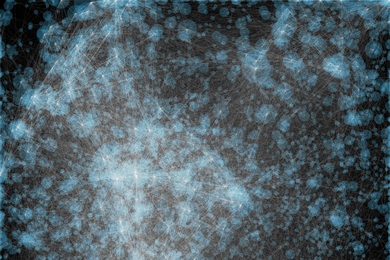
A new technique for finding relationships between variables in large datasets makes no prior assumptions about what those relationships might be.
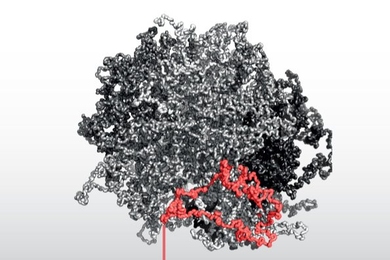
Scientists find that the 3-D structure of a cancer cell’s chromosomes plays a big role in which genes get deleted or copied.
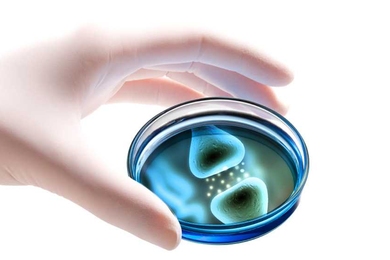
New technology helps scientists discover drugs to strengthen synapses.

Genomic comparison offers a new map for charting human disease and biology.