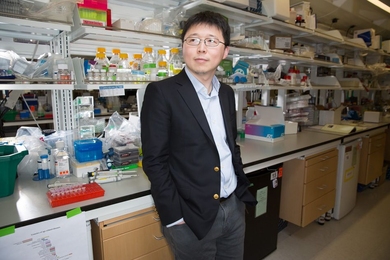
Feng Zhang to share Albany Medical Prize
Five recipients honored for their fundamental and complementary accomplishments related to CRISPR-Cas9.

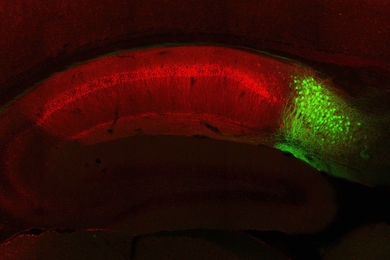
Blocking a key enzyme may reverse memory loss
MIT study suggests a new approach to developing treatments for Alzheimer’s disease.
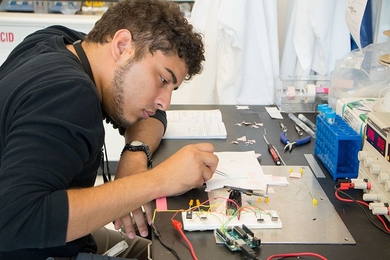
Prototyping a pump for brain treatment
Summer Scholar Alejandro Aponte troubleshoots the design for an implantable pump that can deliver drugs to the brain.
MIT’s Solve initiative seeks solutions to its 2017 global challenges
Applications for problem-solvers interested in four new areas are due August 1.
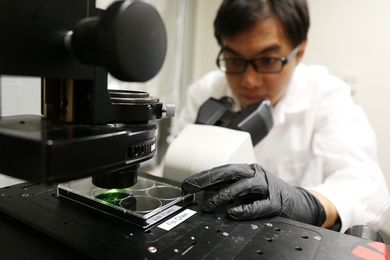
Microscopy technique could enable more informative biopsies
Expanding tissue samples before imaging offers detailed information about disease.
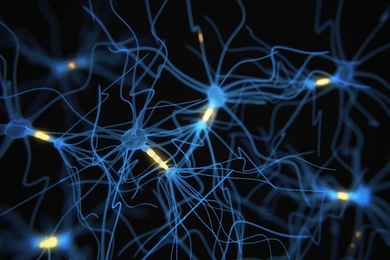
New tool offers snapshots of neuron activity
FLARE technique can reveal which cells respond during different tasks.
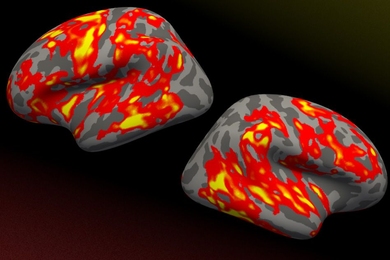
Socioeconomic background linked to reading improvement
Dyslexic children from lower-income families benefit more from summer reading intervention.
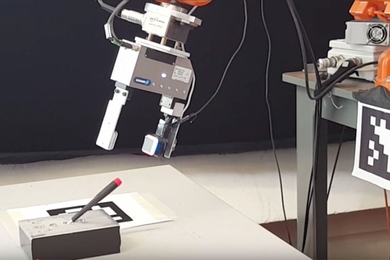
Giving robots a sense of touch
GelSight technology lets robots gauge objects’ hardness and manipulate small tools.
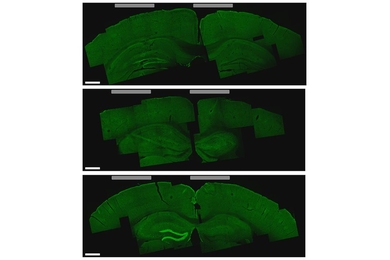
A noninvasive method for deep brain stimulation
Electrodes placed on the scalp could help patients with brain diseases.
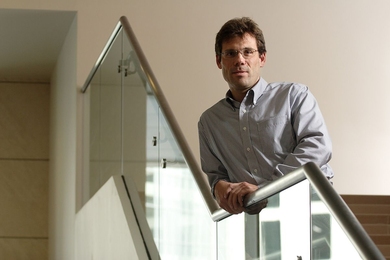
Michale Fee receives Fundamental Science Investigator Award
Award will support studies into how the brain learns and generates complex sequential behaviors, with a focus on the songbird as a model system.
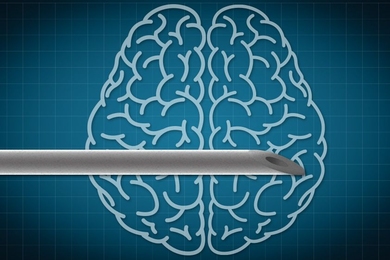
Making brain implants smaller could prolong their lifespan
Thin fibers could be used to deliver drugs or electrical stimulation, with less damage to the brain.

Brain circuit enables split-second decisions when cues conflict
New findings shed light on how we quickly assess risks and rewards before acting.
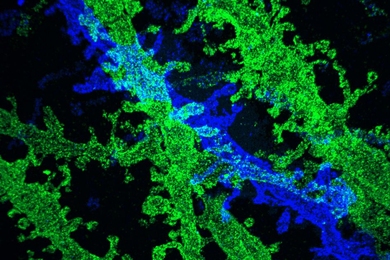
High-resolution imaging with conventional microscopes
Tissue-expansion technique could allow scientists to map brain circuits.
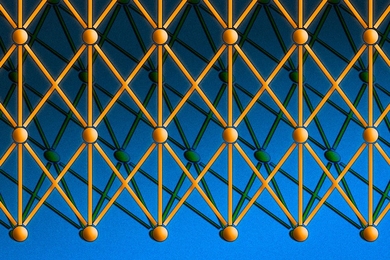
Explained: Neural networks
Ballyhooed artificial-intelligence technique known as “deep learning” revives 70-year-old idea.