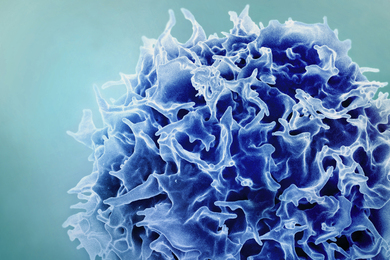
New study suggests a way to rejuvenate the immune system
Stimulating the liver to produce some of the signals of the thymus can reverse age-related declines in T-cell populations and enhance response to vaccination.
Stimulating the liver to produce some of the signals of the thymus can reverse age-related declines in T-cell populations and enhance response to vaccination.
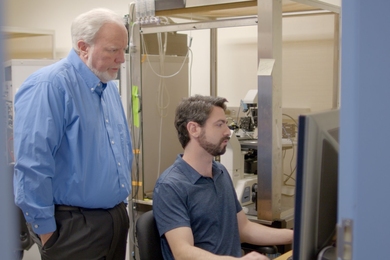
Tracking how fruit fly motor neurons edit their RNA, neurobiologists cataloged hundreds of target sites and varying editing rates, finding many edits altered communication- and function-related proteins.
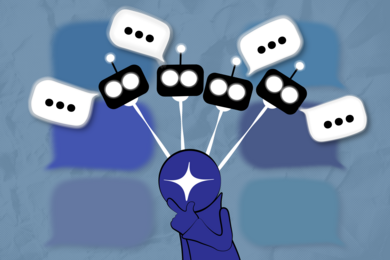
The “self-steering” DisCIPL system directs small models to work together on tasks with constraints, like itinerary planning and budgeting.

Eleven new professors join the departments of Biology; Brain and Cognitive Sciences; Earth, Atmospheric and Planetary Sciences; Mathematics; and Physics.
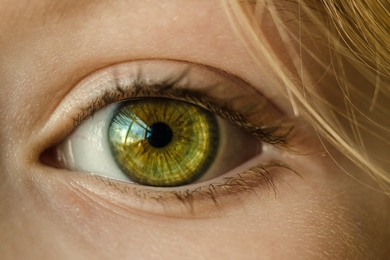
Temporarily anesthetizing the retina briefly reverts the activity of the visual system to that observed in early development and enables growth of responses to the amblyopic (“lazy”) eye.
MIT researchers identified three cognitive skills that we use to infer what someone really means.
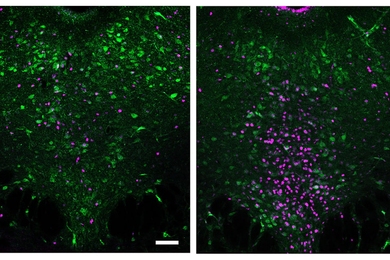
MIT researchers discover how an immune system molecule triggers neurons to shut down social behavior in mice modeling infection.
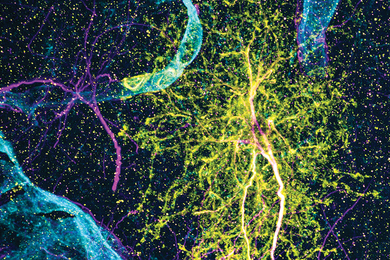
A new atlas charts the diversity of an influential cell type in the brains of mice and marmosets.

Whether they walk on two, four, or six legs, animals maintain stability by monitoring their body position and correcting errors with every step.
MIT neuroscientists find a surprising parallel in the ways humans and new AI models solve complex problems.
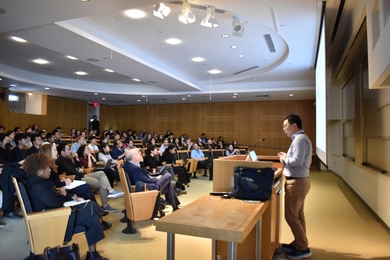
Seven speakers from around the country convened at MIT to describe some of the latest research on the neural mechanisms that we need to survive.
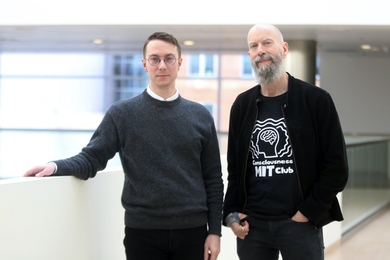
Through the MIT Consciousness Club, professors Matthias Michel and Earl Miller are exploring how neurological activity gives rise to human experience.

Five volunteers received 40Hz stimulation for around two years after an early-stage clinical study. Those with late-onset Alzheimer’s performed better on assessments than Alzheimer’s patients outside the trial.
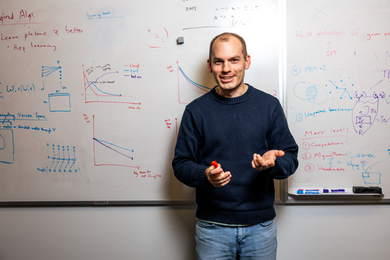
Associate Professor Phillip Isola studies the ways in which intelligent machines “think,” in an effort to safely integrate AI into human society.
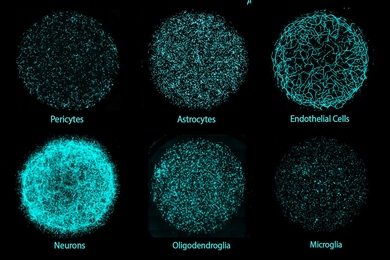
Cultured from induced pluripotent stem cells, “miBrains” integrate all major brain cell types and model brain structures, cellular interactions, activity, and pathological features.