Dyslexia independent of IQ
Brain-imaging study suggests that reading difficulties are the same regardless of overall intelligence — and that more children could benefit from support in school.
Brain-imaging study suggests that reading difficulties are the same regardless of overall intelligence — and that more children could benefit from support in school.
Neuroscientists find that Ritalin could help bring surgical patients out of surgery much more quickly, with less grogginess.

MIT program sends students abroad for experiences tailor-made for their academic and professional interests.

Sept. 11, 2001, is a day that lives in infamy. But how accurately do we remember it?
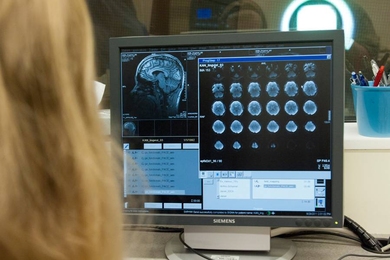
New study pinpoints areas of the brain used exclusively for language, providing a partial answer to a longstanding debate in cognitive science.
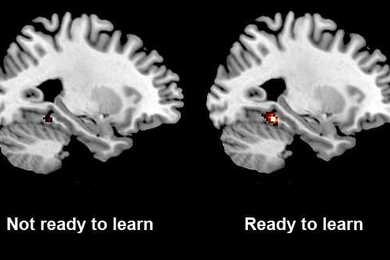
Neuroscientists identify brain activity that predicts how well you will remember images.

Cognitive neuroscientists shed light on how the brain responds to scenes and their mirror-image reversals.
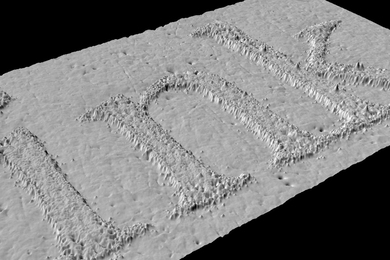
A simple new imaging system could help manufacturers inspect their products, forensics experts identify weapons and doctors identify cancers.

Study finds that for people with dyslexia, it’s much harder to identify who is speaking.
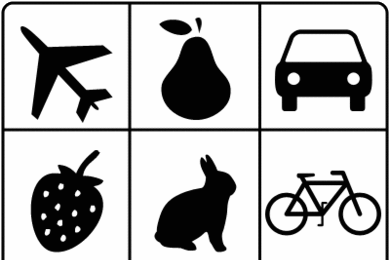
New findings may explain why children with autism tend to fixate on details instead of seeing the big picture.
Brain-tumor researcher named among 18 fellows
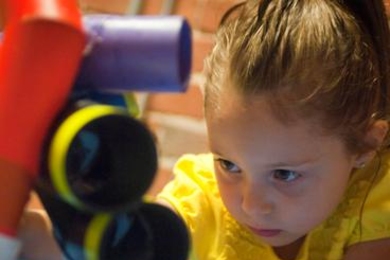
Cognitive scientists find that when teaching young children, there is a trade-off between direct instruction and independent exploration.
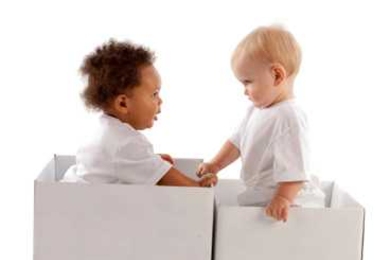
New study shows that infants are surprisingly adept at figuring out whether they made a mistake or if something is wrong in the world.
MIT neuroscientists redefine the limits of visual working memory.

New study shows that babies can perform sophisticated analyses of how the physical world should behave.