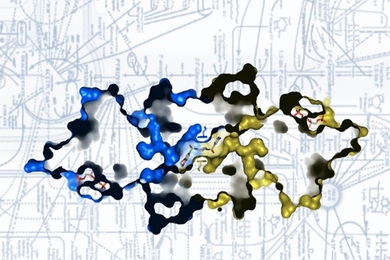
Turning on key enzyme blocks tumor formation
Drug-like molecule restores normal cell metabolism, preventing cancer cells from growing.
Drug-like molecule restores normal cell metabolism, preventing cancer cells from growing.
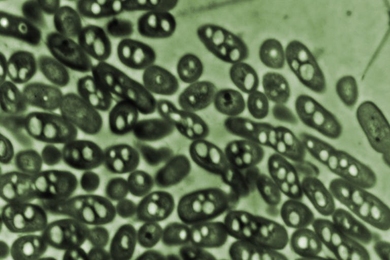
Genetically modified organism could turn carbon dioxide or waste products into a gasoline-compatible transportation fuel.
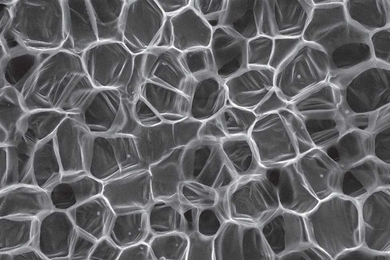
Biological structures may help engineers design new materials.
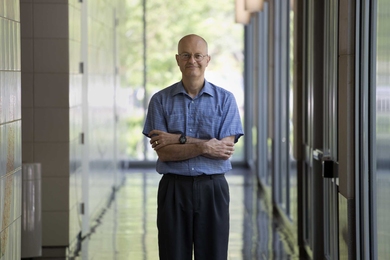
Sirtuins help fight off disorders linked to obesity, new MIT study shows.
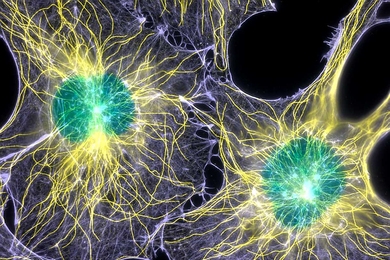
Findings answer puzzling question of how cells know when to progress through the cell cycle.

Applied mathematics, computer science professor honored for contributions in computational biology and bioinformatics.

Longtime member of the biology faculty to succeed L. Rafael Reif as the Institute’s senior academic and budget officer.
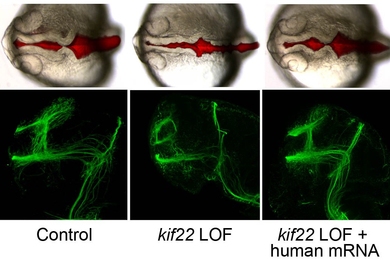
Biologists take a new approach to deciphering the roles of genes associated with autism.
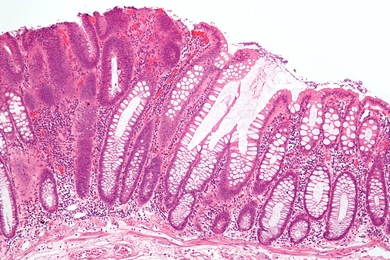
Findings may help predict colon cancer risk for patients with inflammatory bowel disease.
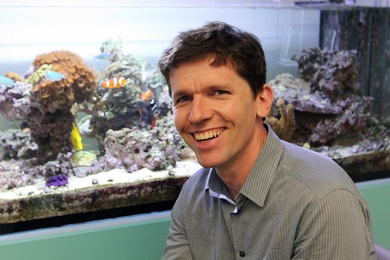
MIT biologist Schwartz relishes the challenge of picking apart the cell’s most complex structure.
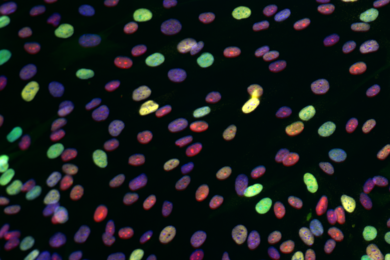
New MIT study shows that staggered delivery of cancer drugs is far more effective than administering them at the same time.
Liskov, Suresh, Townsend and Young bring to 78 the number of Institute faculty who are NAS members.
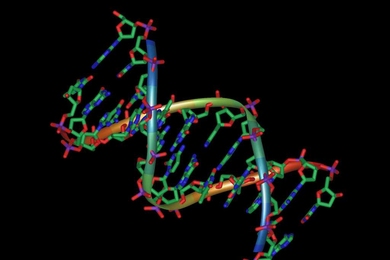
Team uncovers mechanism that produces fatal DNA damage in bacteria.
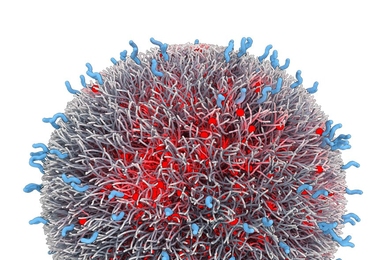
Tiny particles designed to home in on cancer cells achieve tumor shrinkage at lower doses than traditional chemotherapy.