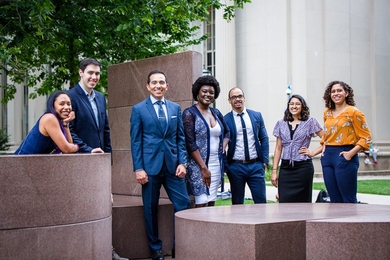
Helping underrepresented doctoral students of color thrive in the broader MIT community
For the past seven years, the MIT University Center for Exemplary Mentoring has created a robust infrastructure of resources, people, and support.
For the past seven years, the MIT University Center for Exemplary Mentoring has created a robust infrastructure of resources, people, and support.
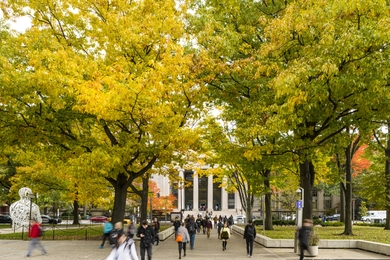
MIT offers over 120 undergraduate classes related to sustainability, a sign of growing student and faculty interest in the environmental impacts of their fields.

MIT alumni-founded Amplitude offers tools to help companies respond to the ways users interact with their digital products.
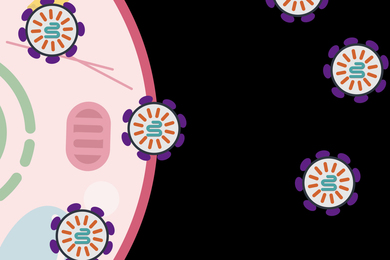
Made of components found in the human body, the programmable system is a step toward safer, targeted delivery of gene editing and other molecular therapeutics.

MiniPCR bio has sold thousands of its inexpensive polymerase chain reaction machines to researchers and schools around the world.
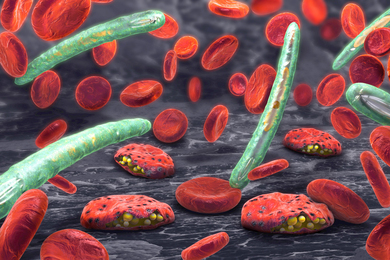
Blocking a key enzyme could kill parasites that have evolved resistance to existing drugs.
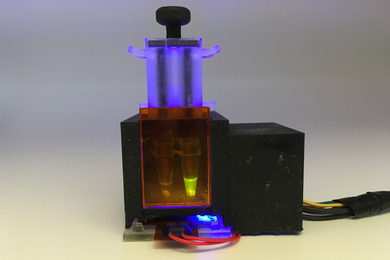
The tabletop diagnostic yields results in an hour and can be programmed to detect variants of the SARS-CoV-2 virus.

Pioneering scientist isolated, characterized, and established the mechanisms of many environmental toxins relevant to public health.
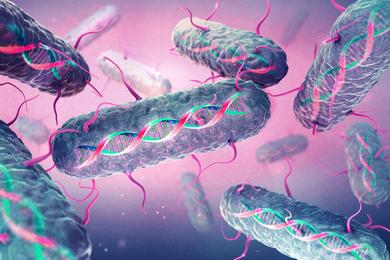
Technique for editing bacterial genomes can record interactions between cells, may offer a way to edit genes in the human microbiome.
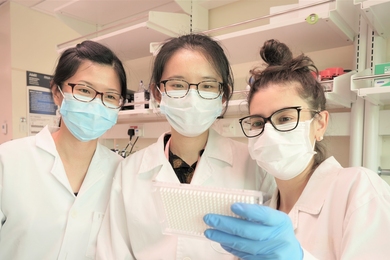
SMART researchers have developed an innovative method to detect and quantify the B.1.1.7 (Alpha) variant of concern via wastewater epidemiology.

Postdoc Michele Gabriele, who loves imaging nature at all scales, turns a rained out road trip into an epic photo op.
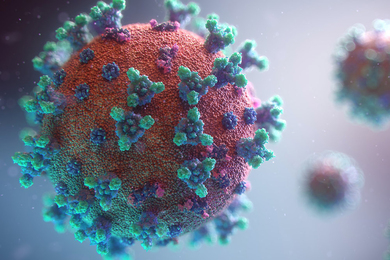
Four times faster than conventional PCR methods, new RADICA approach is highly specific, sensitive, and resistant to inhibitors.
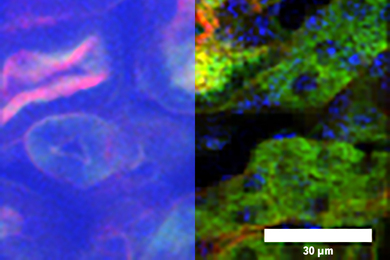
Researchers could rapidly obtain high-resolution images of blood vessels and neurons within the brain.
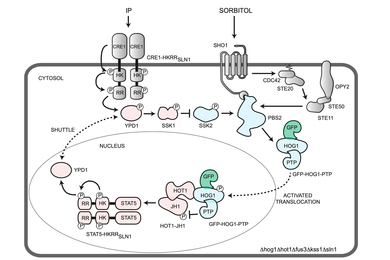
MIT engineers design the first synthetic circuit that consists entirely of fast, reversible protein-protein interactions.
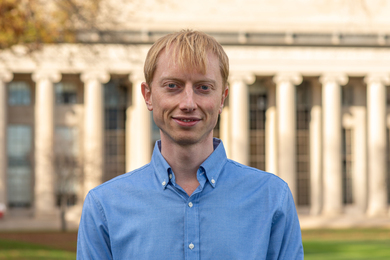
The Hansen Lab investigates how genetic elements, known as enhancers, control the expression of genes in cancer.