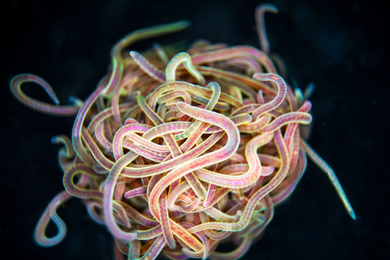
How to untangle a worm ball: Mathematicians solve a knotty mystery
California blackworms tangle themselves up by the thousands, then separate in a split second. Their trick may inspire the design of self-detangling materials and fibers.
California blackworms tangle themselves up by the thousands, then separate in a split second. Their trick may inspire the design of self-detangling materials and fibers.
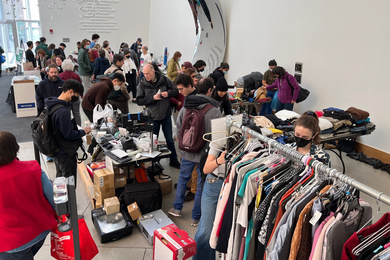
The Working Green Committee is made up of MIT staff committed to encouraging reuse and recycling of goods, and reducing waste.
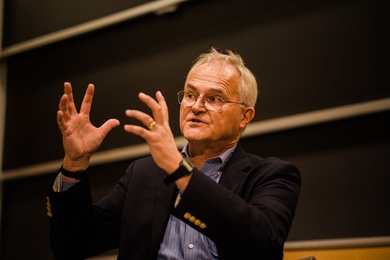
Keynote speaker Bror Saxberg SM ’85, PhD ’89 encourages understanding learners and their contexts.
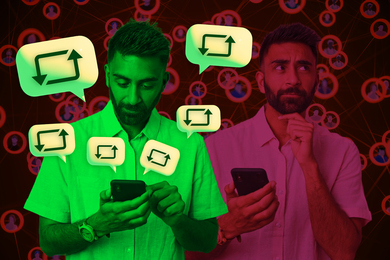
An MIT-led study reveals a core tension between the impulse to share news and to think about whether it is true.


MIT Open Learning team awarded NIH grant to provide training in biomedical product development, entrepreneurship, and innovation.
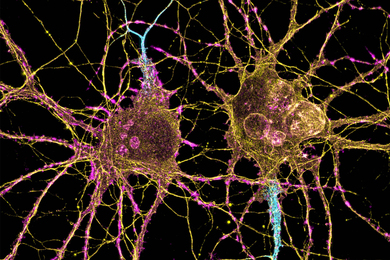
A new study identifies cells that are the most vulnerable within a brain structure involved in mood and movement.

New research quantifies how much very hot temperatures restrict outdoor activity in China.
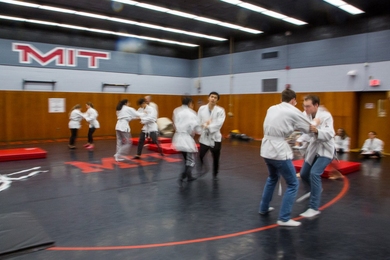
An experimental new course rethinks the relationship between brains and bodies in schools.
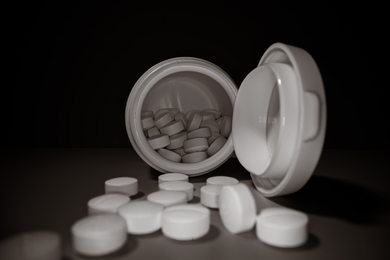
Research shows doctors and their families are less likely to follow guidelines about medicine. Why do the medically well-informed comply less often?
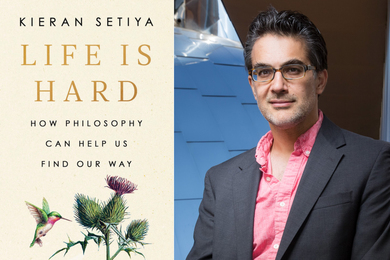
In his new book, “Life Is Hard,” MIT philosopher Kieran Setiya offers guidance for tackling the (many) problems we face.
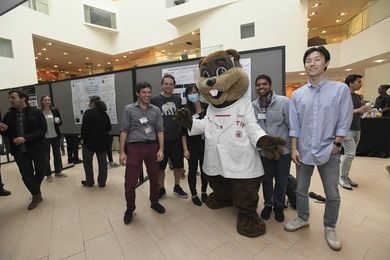
At an exhibition marking two decades since a transformative gift from the Picower Foundation, current and alumni members described research at the forefront of neuroscience and beyond.
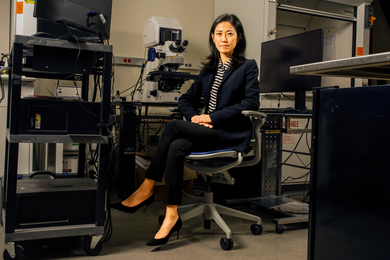
Gloria Choi’s studies of how the immune system and nervous system influence each other could yield new approaches to treating neurological disorders.

A new study maps the genes and cellular pathways that contribute to exercise-induced weight loss.

New research, set in China, suggests that using masks for health reasons also leads people to behave more ethically.