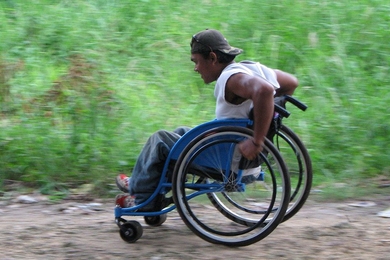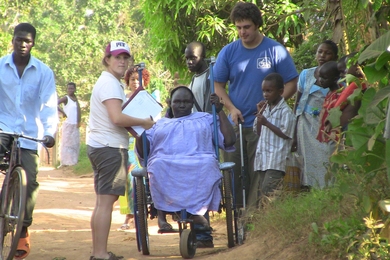
Building the mountain bike of wheelchairs
An MIT professor helped turn a class project into a mass-produced product that is helping people in developing countries.
An MIT professor helped turn a class project into a mass-produced product that is helping people in developing countries.
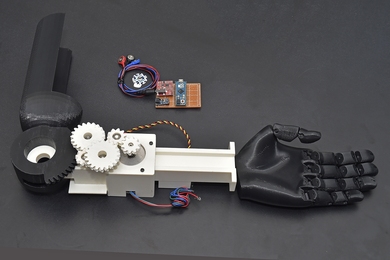
Researchers improve the designs for low-cost 3-D-printed arms and hands.
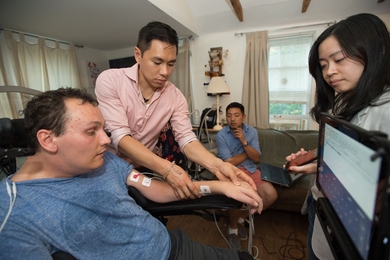
With support from the MIT Sandbox Innovation Fund Program, an MIT spinoff is creating assistive technology for people with ALS.
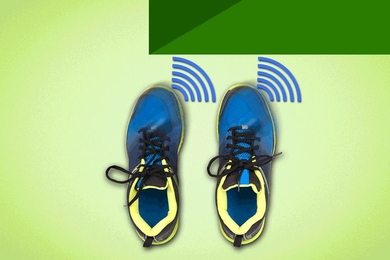
Vibrating footwear could help astronauts and visually impaired earthlings skirt obstacles.
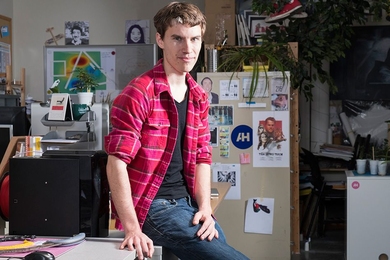
From windmills to software, graduate student Ned Burnell creates better tools.
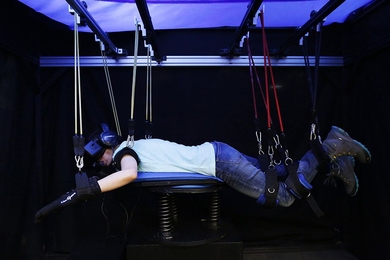
"Amphibian" SCUBA simulator advances the field of virtual reality while exploring the relationship between diving and disability.
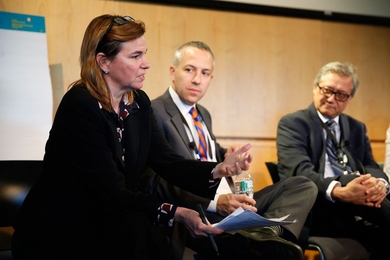
Solve conference explores better ways to provide power, water, and food to billions of people.
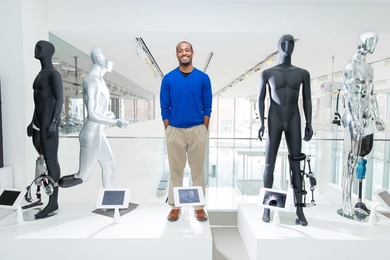
PhD student David Hill maps human locomotion in detail to improve rehabilitative and assistive robotics.
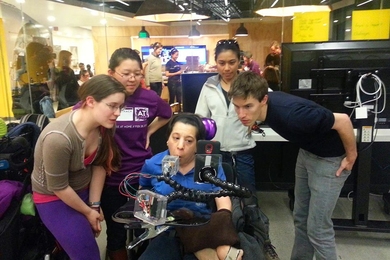
“Design is a conversation” at this year's ATHack, or Assistive Technologies Hackathon, for people with disabilities.

MIT STEM Mentoring Program introduces students from Boston, Cambridge, and Lawrence to an evolving field.
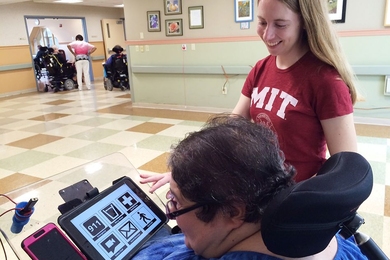
MIT students improve the quality of life, safety, and independence of The Boston Home residents with InstaAid mobile application.
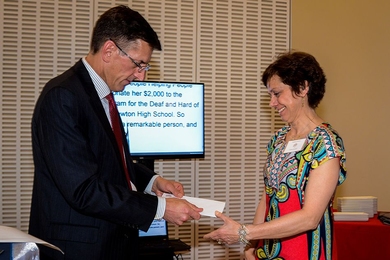
Honor recognizes efforts to improve the day-to-day experiences and long-term prospects of people with hearing loss and other disabilities.

Company’s more-efficient captioning system processes hundreds of video-hours per day.
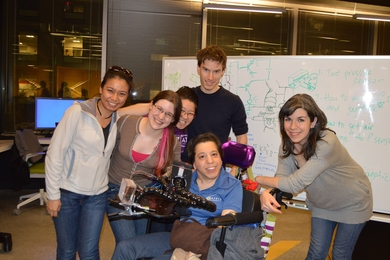
MIT students hack away at problems faced by local community members living with disabilities.