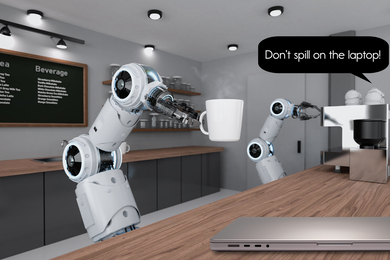
AI-assisted learning platform helps robots reason beyond literal commands
The new approach, known as FLEX, could lead to more intuitive, interactive household and assistive robots.
The new approach, known as FLEX, could lead to more intuitive, interactive household and assistive robots.
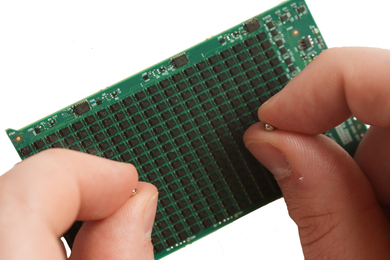
Researchers hope to use these sensors to help people with amputation achieve more natural movements with their prosthetic limbs.
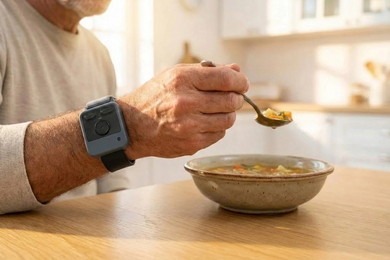
Wristband device from Encora Therapeutics started as a project in 2.009, MIT’s iconic product-design class.
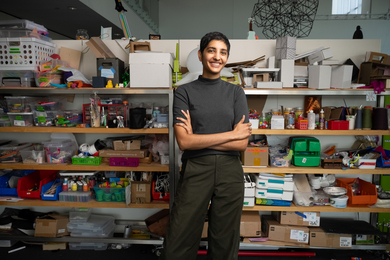
The PhD student works to give young people an active role in shaping digital technologies that can support their own well-being.
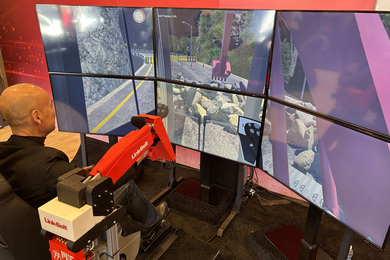
The new, more intuitive system could speed up the training process for excavator operators.
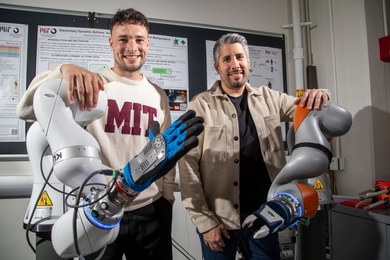
MIT engineers introduce an adaptive physical therapy system that uses generative AI to learn from physical therapists and interactively support stroke patients.

The new design could offer a surgery-free alternative to traditional cardiac implants.
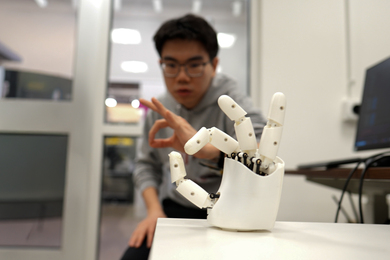
By moving their hands and fingers, users can direct a robot to play piano or shoot a basketball, or they can manipulate objects in a virtual environment.
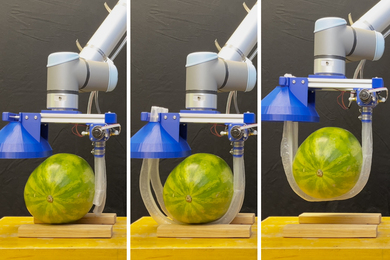
The new design could be adapted to assist the elderly, sort warehouse products, or unload heavy cargo.

Balancing automation and agency, Associate Professor Arvind Satyanarayan develops interactive data visualizations that amplify human creativity and cognition.

PhD student Erik Ballesteros is building “Doc Ock” arms for future astronauts.
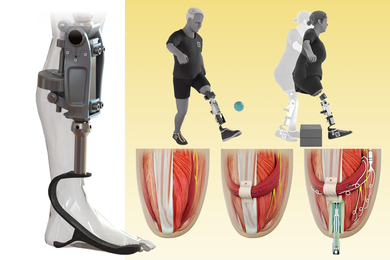
In a small clinical study, users of this prosthesis navigated more easily and said the limb felt more like part of their body.

The new design could assist the elderly as they age in place at home.
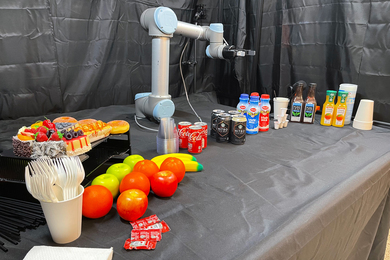
A new approach could enable intuitive robotic helpers for household, workplace, and warehouse settings.

The Tactile Vega-Lite system, developed at MIT CSAIL, streamlines the tactile chart design process; could help educators efficiently create these graphics and aid designers in making precise changes.