
Technology and policy pathways to Paris emissions goals
Two new MIT reports advance practical emissions-reduction strategies for Southeast Asia and Latin America at both the regional and country level.
Two new MIT reports advance practical emissions-reduction strategies for Southeast Asia and Latin America at both the regional and country level.
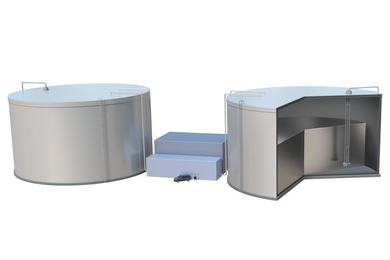
Design for system that provides solar- or wind-generated power on demand should be cheaper than other leading options.

New generating plant, building retrofits, and progress in metering energy use represent ongoing gains.

“The human impact that I have is equally, if not more, important to me than the technical rigor of the work I’m doing,” says the senior.
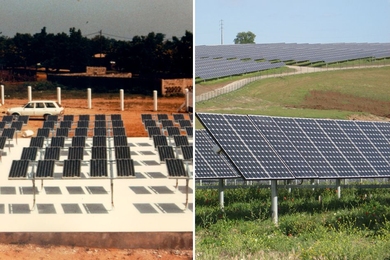
Researchers uncover the factors that have caused photovoltaic module costs to drop by 99 percent.

With a love for the environment that took root on his family’s farm, senior Jesse Hinricher aims to put less expensive components into more efficient batteries.

MIT report highlights challenges and opportunities for conserving natural resources and stabilizing the climate.

Matt Ellis PhD ’17 and Sam Shaner SM ’14, PhD ’18 launch a startup to develop an advanced nuclear reactor design.
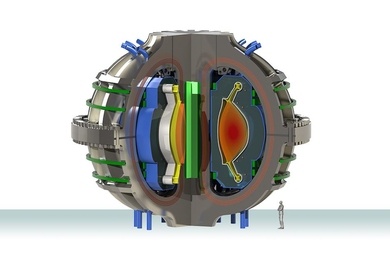
Novel design could help shed excess heat in next-generation fusion power plants.

Student researchers lend voices, ideas for exploring nuclear energy’s potential to address climate change, and describe insights gained from the experience.
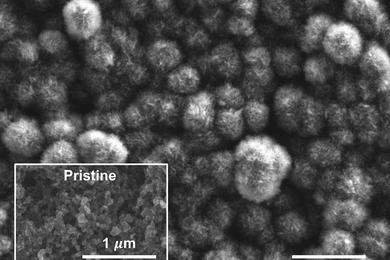
Lithium-based battery could make use of greenhouse gas before it ever gets into the atmosphere.
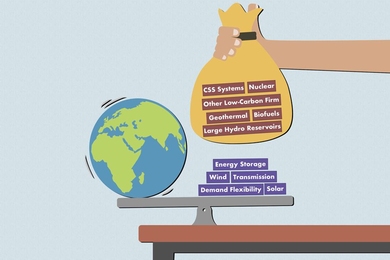
To curb greenhouse gas emissions, nations, states, and cities should aim for a mix of fuel-saving, flexible, and highly reliable sources.
Findings suggest new policy models and cost-cutting technologies could help nuclear play vital role in climate solutions.
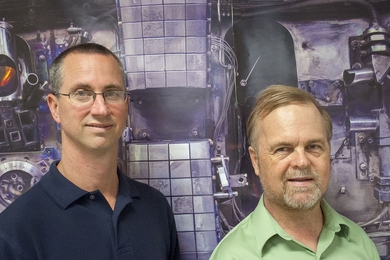
MIT and European Union scientists collaborate on new plasma heating scenario to boost fusion research.
