
A novel data-compression technique for faster computer programs
Researchers free up more bandwidth by compressing “objects” within the memory hierarchy.
Researchers free up more bandwidth by compressing “objects” within the memory hierarchy.
Counting search queries isn’t easy, but MIT CSAIL’s new LearnedSketch system for “frequency-estimation” aims to help.

New architecture promises to cut in half the energy and physical space required to store and manage user data.
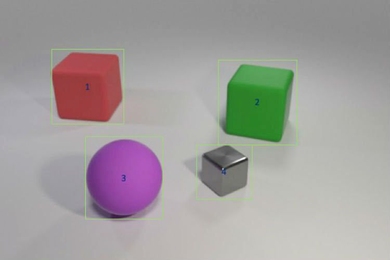
Researchers combine statistical and symbolic artificial intelligence techniques to speed learning and improve transparency.
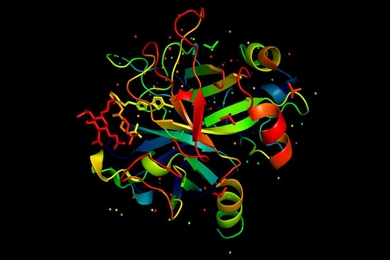
Technique could improve machine-learning tasks in protein design, drug testing, and other applications.

Algorithm designs optimized machine-learning models up to 200 times faster than traditional methods.
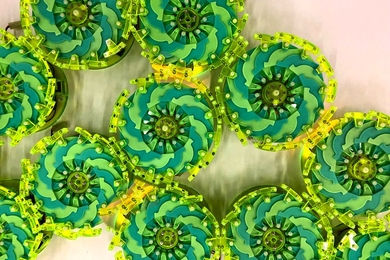
Loosely connected disc-shaped “particles” can push and pull one another, moving en masse to transport objects.
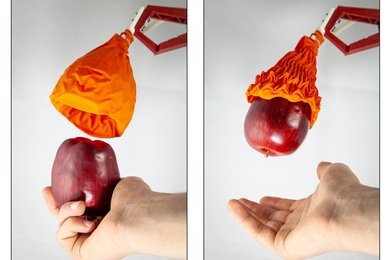
Gripper device inspired by “origami magic ball” can grasp wide array of delicate and heavy objects.
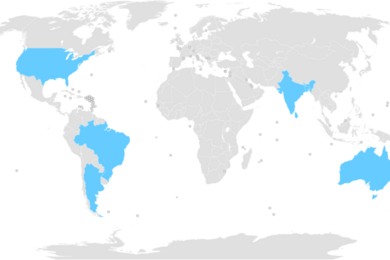
The GOSSIS algorithm was developed using data from hospitals around the world to spur greater multi-center collaboration and improved benchmarking.
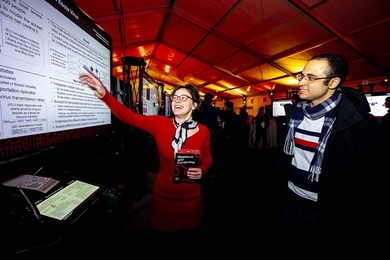
Research projects show creative ways MIT students are connecting computing to other fields.
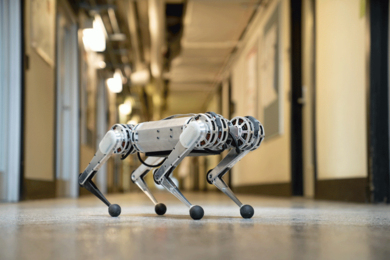
Robot’s lightweight, high-power design is the perfect platform to share and play, developers say.
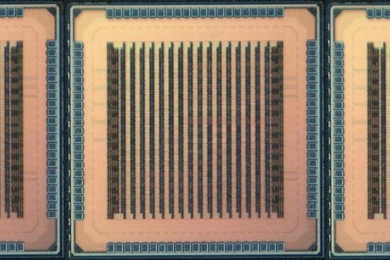
Efficient chip enables low-power devices to run today’s toughest quantum encryption schemes.
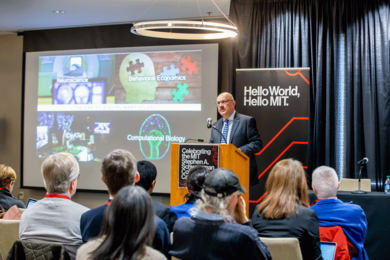
Conference celebrating new MIT Schwarzman College of Computing explores the changing face of higher ed.
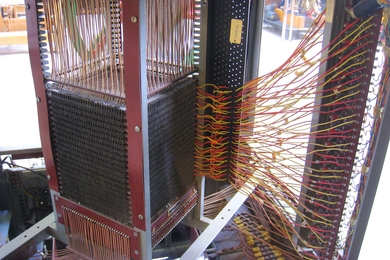
From digital circuits to ingestible robots, the Institute has helped spearhead key innovations in the technology revolution.

System better allocates time-sensitive data processing across cores to maintain quick user-response times.