Five volunteers received 40Hz stimulation for around two years after an early-stage clinical study. Those with late-onset Alzheimer’s performed better on assessments than Alzheimer’s patients outside the trial.
Because it’s nearly impermeable to gases, the polymer coating developed by MIT engineers could be used to protect solar panels, machinery, infrastructure, and more.
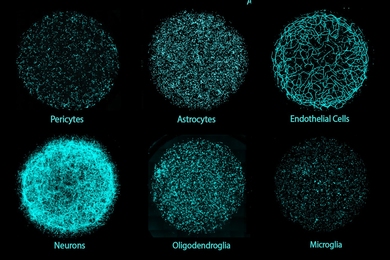
Cultured from induced pluripotent stem cells, “miBrains” integrate all major brain cell types and model brain structures, cellular interactions, activity, and pathological features.
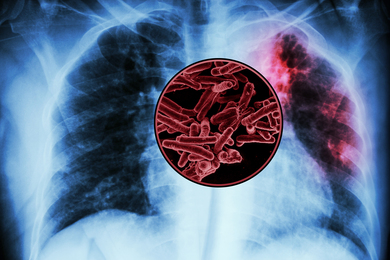
Using these antigens, researchers plan to develop vaccine candidates that they hope would stimulate a strong immune response against the world’s deadliest pathogen.
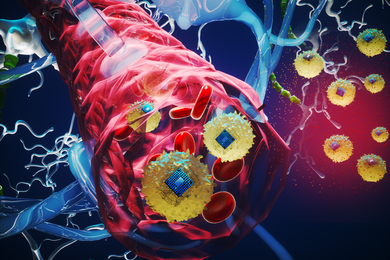
MIT researchers created microscopic wireless electronic devices that travel through blood and implant in target brain regions, where they provide electrical stimulation.
The KATMAP model, developed by researchers in the Department of Biology, can predict alternative cell splicing, which allows cells to create endless diversity from the same sets of genetic blueprints.