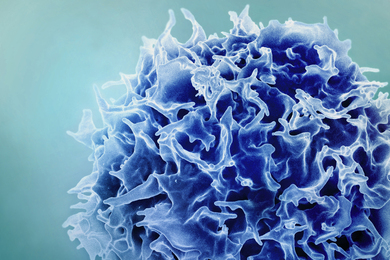
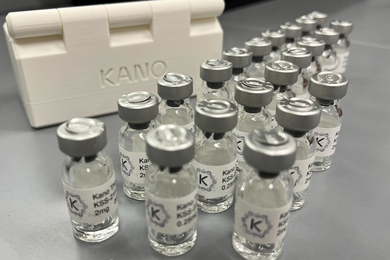
Stimulating the liver to produce some of the signals of the thymus can reverse age-related declines in T-cell populations and enhance response to vaccination.
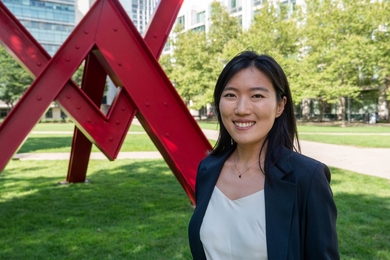
Assistant Professor Yunha Hwang utilizes microbial genomes to examine the language of biology. Her appointment reflects MIT’s commitment to exploring the intersection of genetics research and AI.
Tracking how fruit fly motor neurons edit their RNA, neurobiologists cataloged hundreds of target sites and varying editing rates, finding many edits altered communication- and function-related proteins.
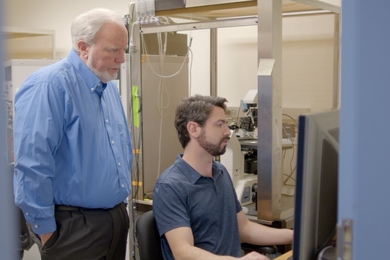
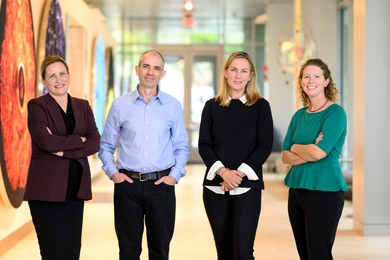
Angela Koehler, Iain Cheeseman, and Katharina Ribbeck are shaping the collaborative as a platform for transformative research, translation, and talent development across MIT.
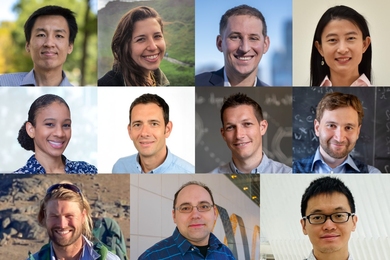
Eleven new professors join the departments of Biology; Brain and Cognitive Sciences; Earth, Atmospheric and Planetary Sciences; Mathematics; and Physics.
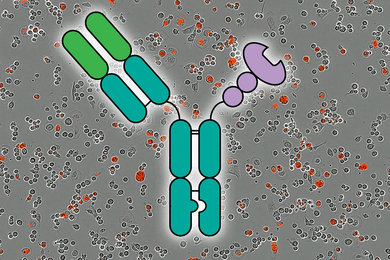
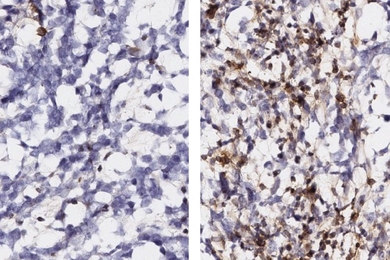
A study profiling antigens presented on immune and tumor cells in co-culture points to new strategies for attacking a treatment-resistant and deadly brain cancer.
New findings may help researchers identify genetic mutations that contribute to rare diseases, by studying when and how single genes produce multiple versions of proteins.