Search Stories

Big medical data
At the intersection of medicine and computer science, researchers look for clinically useful correlations amid mountains of information.
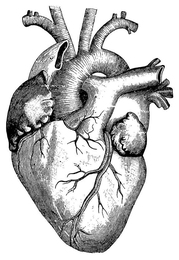
Cardiac development needs more than protein-coding genes
Biologists find that long non-coding RNA molecules are necessary to regulate differentiation of embryonic stem cells into cardiac cells.
Science students hold design-thinking workshop
Program aims to help students gain perspective on new methodologies, improve overall research skills.

Five with ties to MIT earn top IEEE awards
Beranek, Dennis, Chou, Jacobs and Langer are among 20 recipients recognized for decades of engineering achievements.

Microbiologists eavesdrop on the hidden lives of microbes
Scientists track ocean microbe populations in their natural habitat to create a ‘day in the life’ montage.
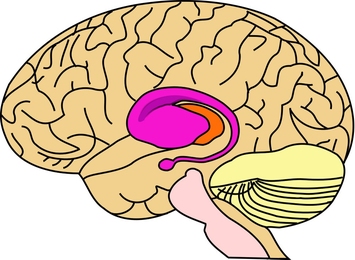
Possible role for Huntington’s gene discovered
Mutant forms of the gene disrupt chemical modifications that control access to genes necessary for normal brain cell function.
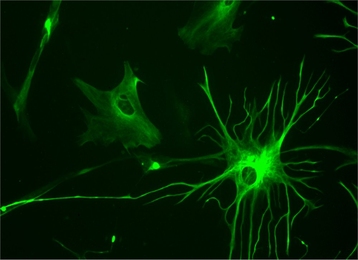
Study finds a new culprit for epileptic seizures
Discovery that some seizures arise in glial cells could offer new targets for epilepsy treatment.
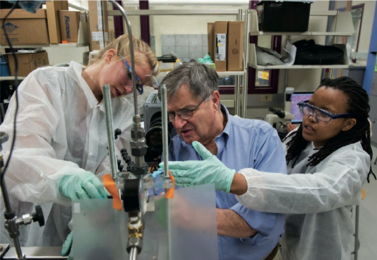
Undergrads take the lead in 10.27
Class offers students a unique opportunity to contribute to the field of energy.

Pioneering applied mathematician Chia-Chiao Lin dies at 96
An Institute Professor since 1966, he was an active member of the MIT faculty for 40 years.
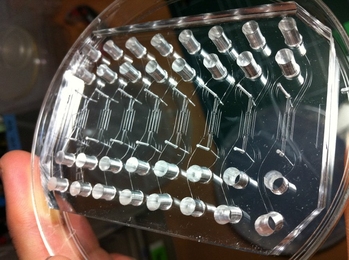
Tiny tools help advance medical discoveries
MIT researchers are designing tools to analyze cells at the microscale.

Remembering ‘Papa Flash’
MIT Professor Harold Edgerton’s high-speed photography and sonar devices revolutionized ocean exploration.
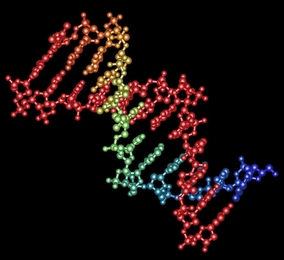
Editing the genome with high precision
New method allows scientists to insert multiple genes in specific locations, delete defective genes.

Simons Center for the Social Brain offering seed grants, postdoc fellowships
Deadline for applications is February 28.
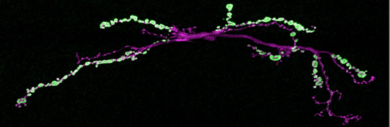
New insights into how brain synapses transmit information
Two essential proteins regulate the molecular machinery that controls neuronal communication and the release of signals between neurons.