By sidestepping the need for costly interventions, a new method could potentially reveal gene regulatory programs, paving the way for targeted treatments.
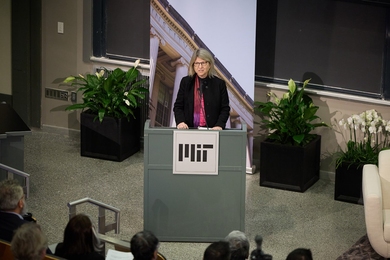
The MIT Human Insight Collaborative will elevate the human-centered disciplines and unite the Institute’s top scholars to help solve the world’s biggest challenges.
MIT pK-12 at Open Learning co-created a secondary school learning architecture that’s available for adoption and adaptation by educational practitioners worldwide.
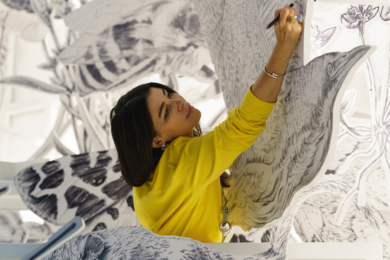
Exploring biodiversity, linguistic diversity, and collective AI-generated poetry, her work will be honored with a $100K prize, artist residency, and public lecture at MIT in spring 2025.
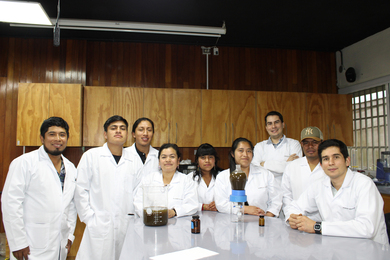
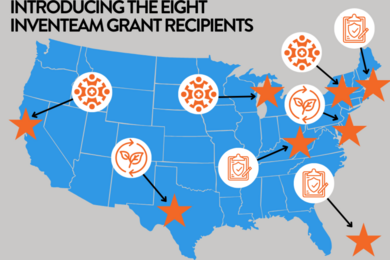
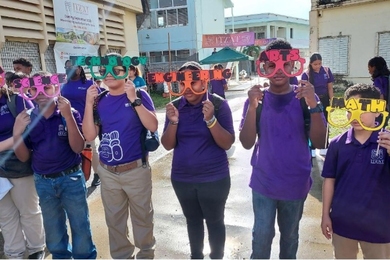
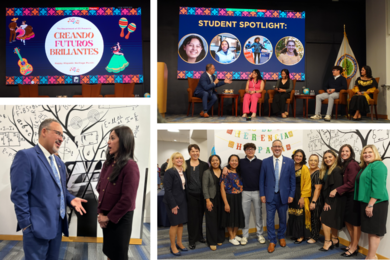
Former Lemelson-MIT InvenTeam and Inventing Smart Solutions students spoke on a panel with Secretary of Education Miguel Cardona organized by the White House Initiative for Hispanics.
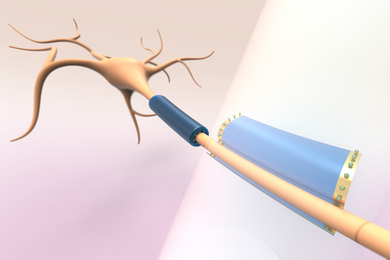
By snugly wrapping around neurons, these devices could help scientists probe subcellular regions of the brain, and might even help restore some brain function.