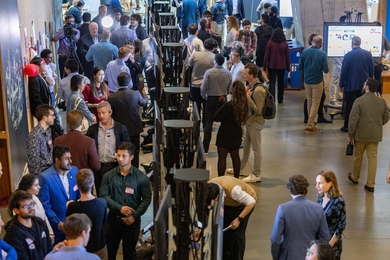
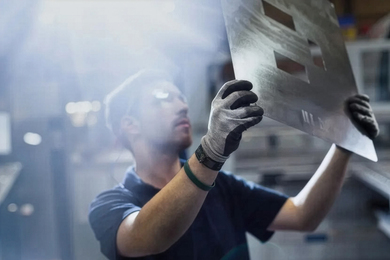
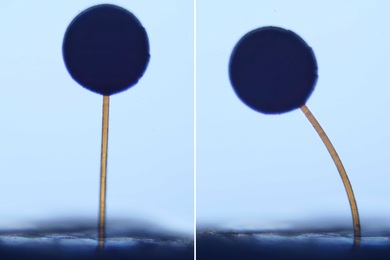
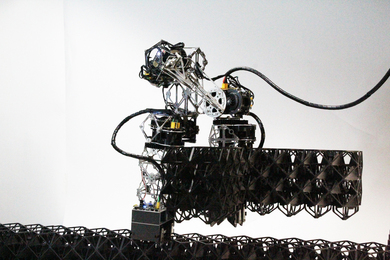
In its first year, INM has worked across research, workforce development, and industry engagement to help accelerate new manufacturing technologies and their real-world deployment.
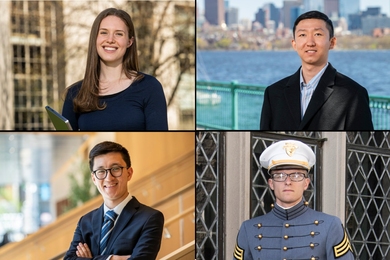
The fellowships in applied sciences, engineering, and mathematics recognize doctoral students who are pursuing solutions to the most pressing challenges in science and technology.
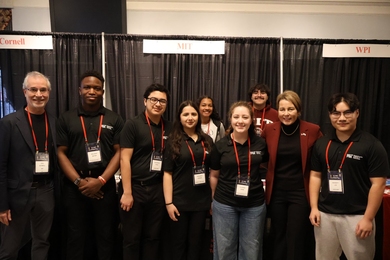
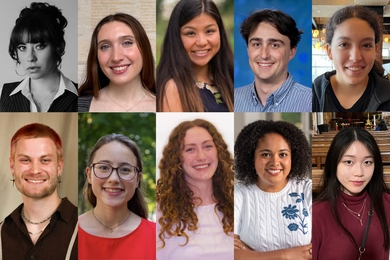
This year, over half of MIT’s Fulbright applicants won awards. The current students and alumni will embark on research projects and teaching abroad in 2026-27.
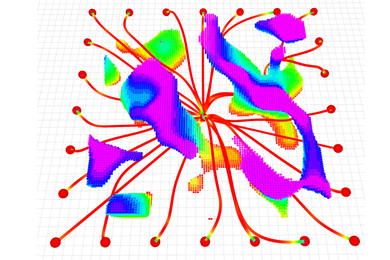
By rapidly generating a smooth path plan that cuts travel time and avoids obstacles, the open-source “MIGHTY” system could streamline disaster recovery and parcel delivery.
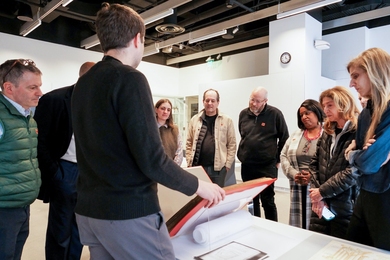
A day of conversations and archival access at the MIT Museum reflects an ongoing exchange rooted in the work and ideas of the Institute’s first Black graduate.
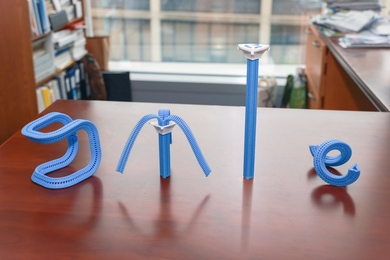
An old patent from MIT Professor Bill Freeman inspired the new “Y-zipper,” a three-sided fastener that snaps gear, robots, and art into shape at the push of a button.
New research suggests constructing a simple building from interlocking subunits should be mechanically feasible and have a much smaller carbon footprint.