MIT engineers developed a tag that can reveal with near-perfect accuracy whether an item is real or fake. The key is in the glue on the back of the tag.
Innovative AI system from MIT CSAIL melds simulations and physical testing to forge materials with newfound durability and flexibility for diverse engineering uses.
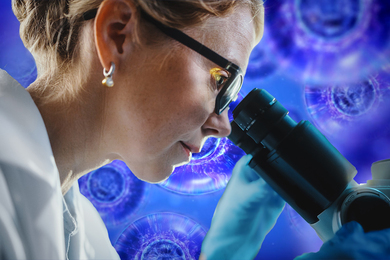
Dermatologists and general practitioners are somewhat less accurate in diagnosing disease in darker skin, a new study finds. Used correctly, AI may be able to help.
The ambient light sensors responsible for smart devices’ brightness adjustments can capture images of touch interactions like swiping and tapping for hackers.
Hundreds of participants from around the world joined the sixth annual MIT Policy Hackathon to develop data-informed policy solutions to challenges in health, housing, and more.
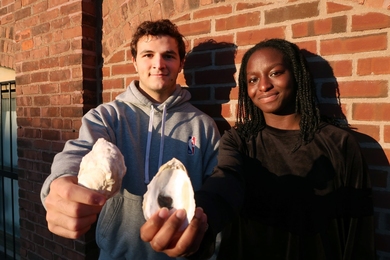
Atacama Biomaterials, co-founded by Paloma Gonzalez-Rojas SM ’15, PhD ’21, combines architecture, machine learning, and chemical engineering to create eco-friendly materials.
Although artificial intelligence in health has shown great promise, pressure is mounting for regulators around the world to act, as AI tools demonstrate potentially harmful outcomes.
An interdisciplinary team of researchers thinks health AI could benefit from some of the aviation industry’s long history of hard-won lessons that have created one of the safest activities today.