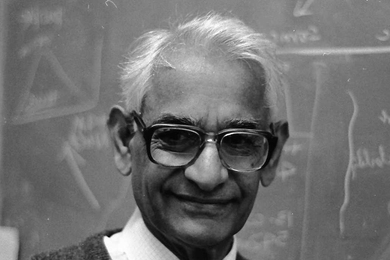
Gobind Khorana, MIT professor emeritus, dies at 89
Nobel-winning biochemist made seminal contributions to genetics, was a loyal teacher and mentor.
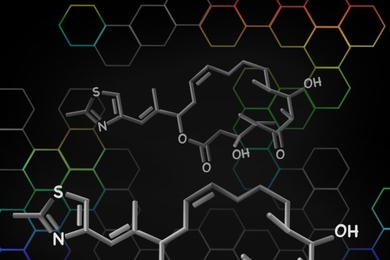
Making a Nobel-winning chemistry reaction even better
New catalyst offers greater control over the synthesis of organic cyclic compounds, including potential cancer drugs.
‘Conserve, conserve, conserve’
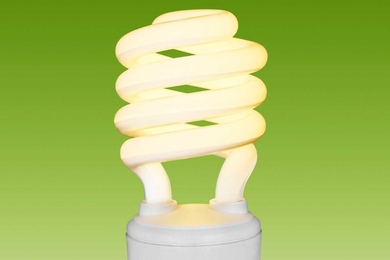
A megawatt saved is better than a megawatt made, and there are plenty of ways to save energy without sacrifice.
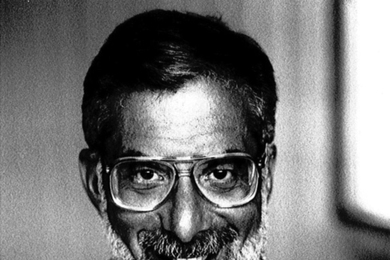
Robert Silbey, former MIT dean of science, dies at 71
'Excellent teacher' spent 45 years as faculty member, administrator.

Harnessing the Earth, the atom and the leaf
There are many sources that can make a contribution to our energy supply, but likely not at a major scale in the near future.

Shining brightly
Vast amounts of solar energy radiate to the Earth constantly, but tapping that energy cost-effectively remains a challenge.
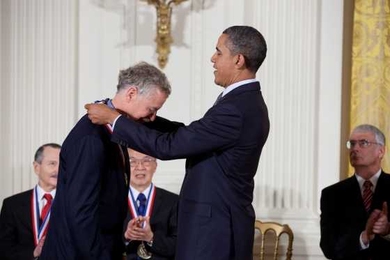
Jaenisch receives Medal of Science at White House ceremony
Among 12 honored by President Barack Obama on Friday.
What can make a dent?
Given the enormous scale of worldwide energy use, there are limited options for achieving significant reductions in greenhouse gas emissions.
Nominations now open for Doherty Professorship in Ocean Utilization
Submission deadline for applicants to the two-year, $25,000 chair is Nov. 16.
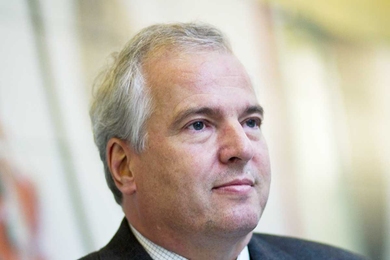
Kaiser to lead National Institute of General Medical Sciences
Cell biologist to start new position in spring 2012.