Storing carbon in the Arctic
While the Arctic Ocean is largely a carbon sink, researchers find parts are also a source of atmospheric carbon dioxide.
While the Arctic Ocean is largely a carbon sink, researchers find parts are also a source of atmospheric carbon dioxide.
Studying these cells could lead to new treatments for diseases ranging from gastrointestinal disease to diabetes.

Researchers design drug-carrying nanoparticles that can be taken orally
The professors were recognized by their peers for their efforts to advance science or its applications.

The Graduate Climate Conference, led by MIT graduate students in 2013, is an entirely student-run endeavor with a streak of rebellion.

MIT researchers find that rain as acidic as lemon juice may have contributed to massive die-offs on land 252 million years ago.

MIT senior Margo Batie plays hard on the rugby field and works hard in the physics lab.
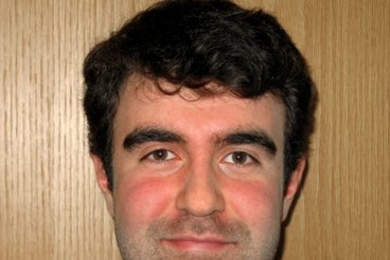
Recent MIT graduate in mathematics, who has also conducted research in neuroscience, will study at Oxford next year.
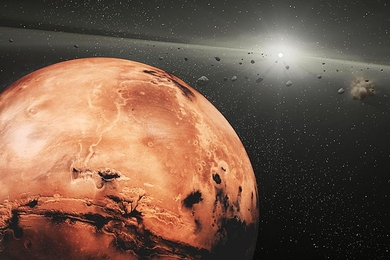
Scientists find that Mars, not Earth, shakes up some near-Earth asteroids.
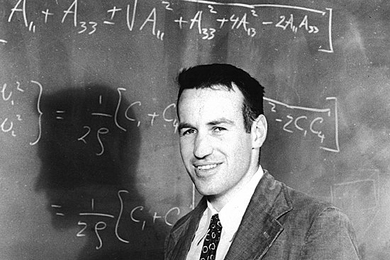
A MIT faculty member for more than 40 years, Madden is remembered for his contributions to earth science research.

President Obama taps MIT physicist and dean of science to oversee basic energy research.
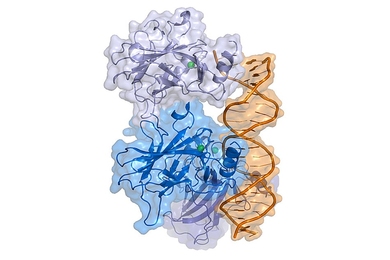
Drugs that block new target gene could make many tumors more vulnerable to chemotherapy.
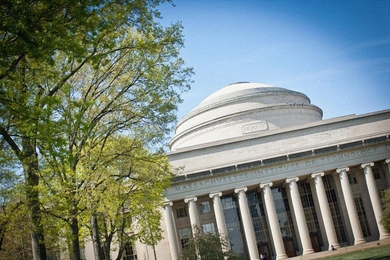
Historic pledge from Eli and Edythe Broad to propel institute into a new decade of biomedical discovery to benefit patients.
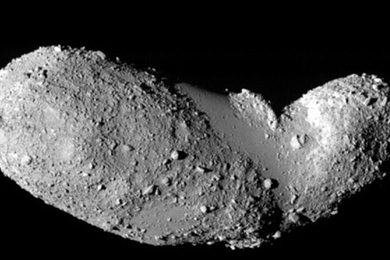
The largest asteroid is 12 miles in diameter, but poses little immediate threat to Earth.