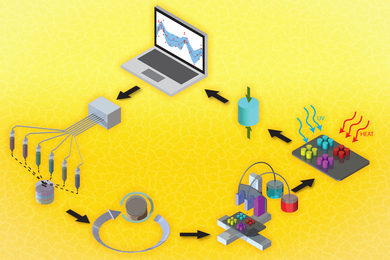
Accelerating the discovery of new materials for 3D printing
A new machine-learning system costs less, generates less waste, and can be more innovative than manual discovery methods.
A new machine-learning system costs less, generates less waste, and can be more innovative than manual discovery methods.

A certain type of artificial intelligence agent can learn the cause-and-effect basis of a navigation task during training.

MIT EECS unveils a new effort to encourage and support women on their journey to — and through — graduate study in computing and information technologies.
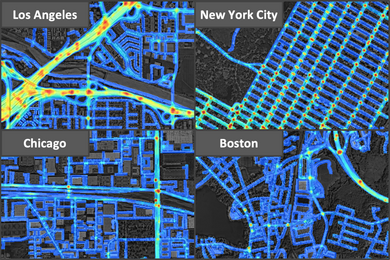
A deep model was trained on historical crash data, road maps, satellite imagery, and GPS to enable high-resolution crash maps that could lead to safer roads.

Researchers find blind and sighted readers have sharply different takes on what content is most useful to include in a chart caption.
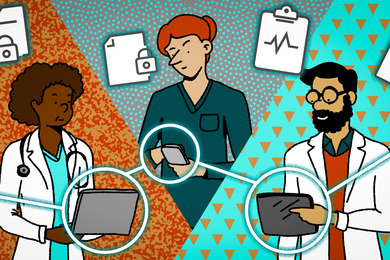
Secure AI Labs, founded by alumna Anne Kim and MIT Professor Manolis Kellis, anonymizes data for AI researchers.
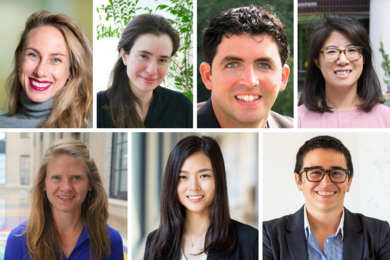
Awards support high-risk, high-reward biomedical and behavioral research.
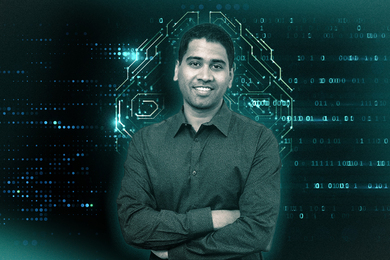
Researchers hope more user-friendly machine-learning systems will enable nonexperts to analyze big data — but can such systems ever be completely autonomous?
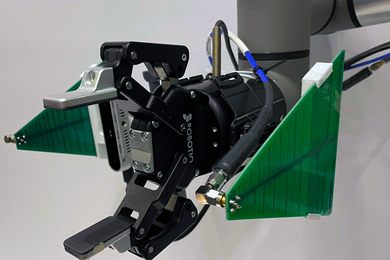
This robotic arm fuses data from a camera and antenna to locate and retrieve items, even if they are buried under a pile.
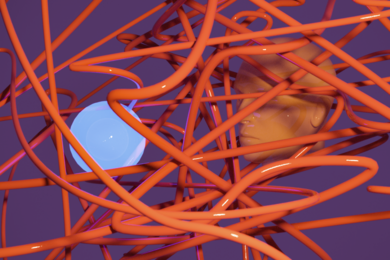
Humans find AI to be a frustrating teammate when playing a cooperative game together, posing challenges for "teaming intelligence," study shows.
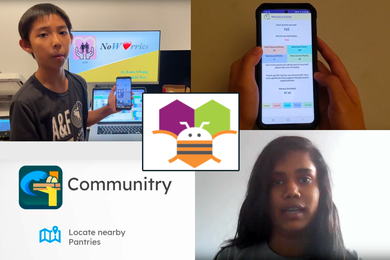
MIT App Inventor’s “Appathon” joins programmers from around the world to imagine a better future and start building it one app at a time.

The effort raised more than $6 billion to spark innovation on global challenges.
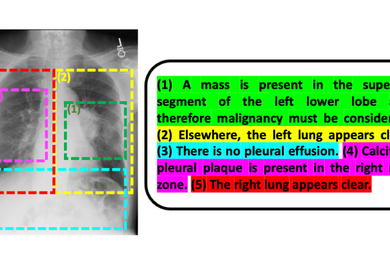
Scientists employ an underused resource — radiology reports that accompany medical images — to improve the interpretive abilities of machine learning algorithms.
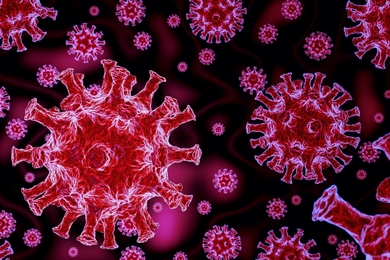
Neural network identifies synergistic drug blends for treating viruses like SARS-CoV-2.

An AI-enhanced system enables doctors to spend less time searching for clinical information and more time treating patients.