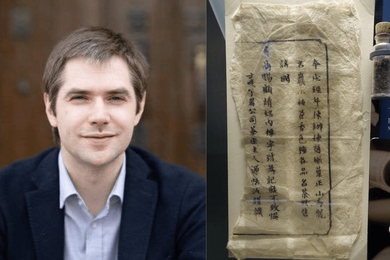
The mystery of the Chinese tea chest label
MIT historian Tristan Brown uncovers the true origins of an artifact once thought to be a relic of the Boston Tea Party.
MIT historian Tristan Brown uncovers the true origins of an artifact once thought to be a relic of the Boston Tea Party.
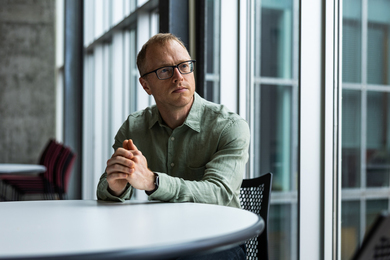
Philosopher Brian Hedden studies decision-making over time — and recently chose to return to alma mater MIT, where he is now connecting ethics and computing.
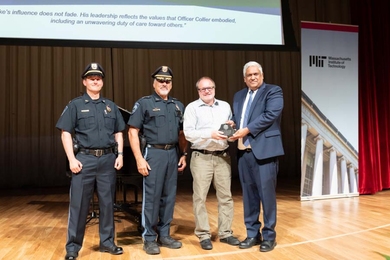
The MIT community celebrated the talent, dedication, and impact of its staff.
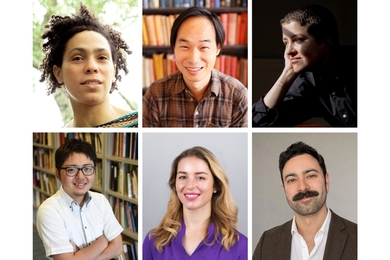
New professors join the Comparative Media Studies/Writing, Economics, Linguistics, and Music and Theater Arts departments.
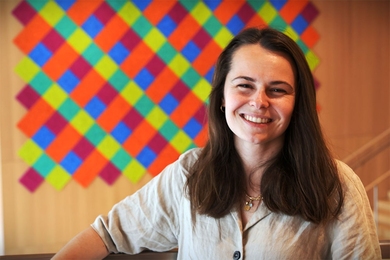
Assistant Professor Bailey Flanigan has arrived at complex computational methods for helping democracy thrive.
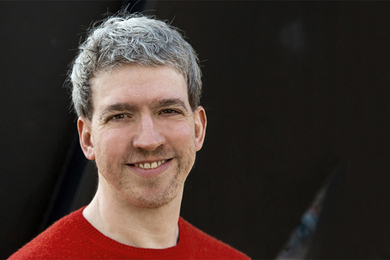
A faculty member since 2007, the scholar of medieval literature explores how different parts of physical manuscripts combine to create interest and meaning.
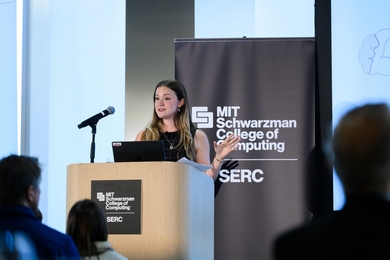
PhD student Rachel Sava, winner of the Envisioning the Future of Computing Prize, explores transformative improvements and dystopian risks of neural technology.
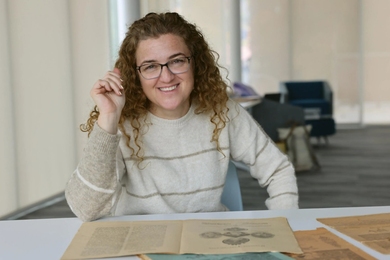
A faculty member since 2011, Ekmekcioglu examines how communities survive, adapt, remember, and make claims on justice under difficult political conditions.
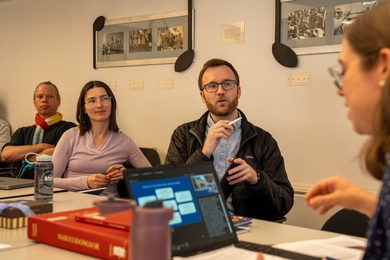
The SHASS Faculty Fellows Program, administered by the MIT Human Insight Collaborative, is fostering new research projects and creating space for supportive and interdisciplinary discussion.

Associate Professor Anna Huang delivers the keynote address, “In Search of Human-AI Resonance,” to a capacity crowd.
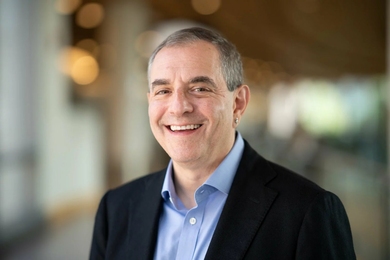
A faculty member since 1999, Autor is a leading researcher in artificial intelligence and the work of the future.
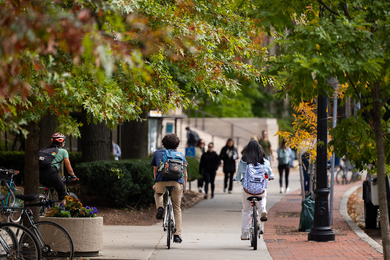
“Scientific American” showcases the history and future of America’s scientific engine, highlighting promising young scientists and icons at MIT and beyond.
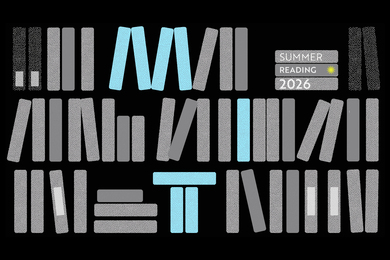
Enjoy these recent titles from Institute faculty and staff.

In Ghana, semi-communal “compound houses” affect how much people vote and participate in political activity, new research shows.
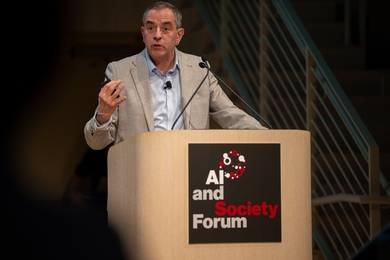
During the AI and Society Forum, leading MIT researchers examined critical questions about AI’s influence on employment and democracy.