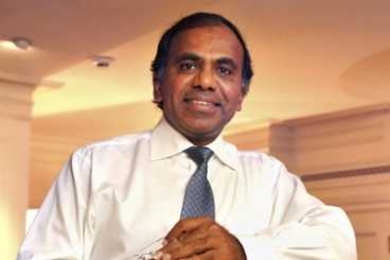
Subra Suresh to head National Science Foundation
MIT’s dean of engineering has been confirmed by the United States Senate to direct the largest supporter of non-medical basic-science research in the country.
MIT’s dean of engineering has been confirmed by the United States Senate to direct the largest supporter of non-medical basic-science research in the country.
The grants are designed to promote risky, innovative research with the potential to transform a field of study.

Research suggests that the free operating system Linux will keep up with the addition of more ‘cores,’ or processing units, to computer chips.

Lessons learned from the BP oil spill could help both companies and regulators to be more ready for the next emergency.

12-member group will be led by Professor Jeffrey Shapiro.
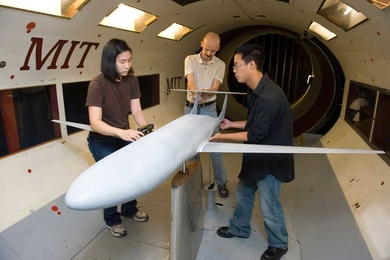
Unique plane offers significant reduction in emissions, noise and fuel use.

Study suggests pollution from airplanes flying at ‘cruise’ altitudes contributes to 8,000 deaths per year globally.
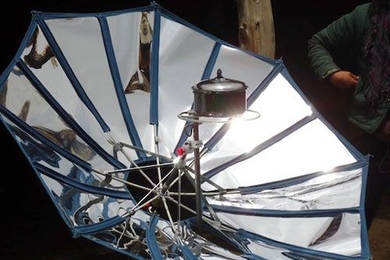
Low-cost portable device developed at MIT wins major prize in Netherlands competition.
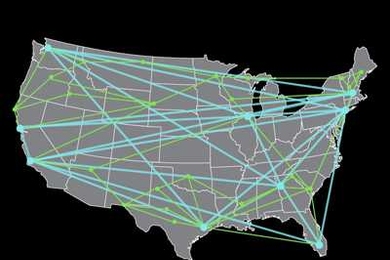
The max-flow problem, which is ubiquitous in network analysis, scheduling, and logistics, can now be solved more efficiently than ever.
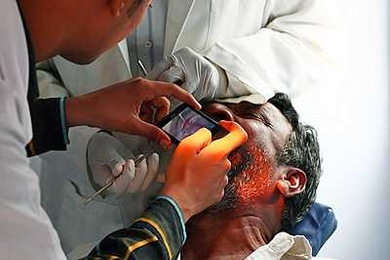
MIT-led student team develops mobile-device software to help improve health-care accessibility in remote regions.

A new algorithm optimizes the dissemination of information about traffic and road conditions through networks of wirelessly connected cars.
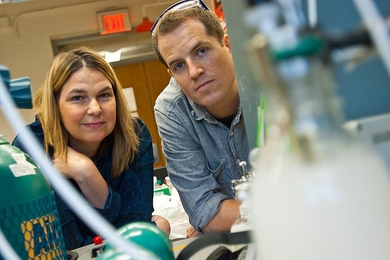
MIT biological engineers have found a way to convert carbon-dioxide emissions to useful building materials, using genetically altered yeast.
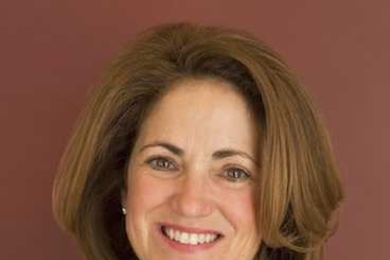
Subra Suresh, nominated to head NSF, is on sabbatical leave for the fall semester.