Harnessing nature’s solar cells
Photovoltaic panels made from plant material could become a cheap, easy alternative to traditional solar cells.
Photovoltaic panels made from plant material could become a cheap, easy alternative to traditional solar cells.

Based in School of Engineering but spanning all of MIT, IMES will be led by Arup K. Chakraborty.

It’s not just the strength of the silk itself, a new study finds; the silk’s way of stretching and the structure of the whole web help it resist damage.

Talks explore the mind/machine interface and the science of predicting the economy, among other topics.

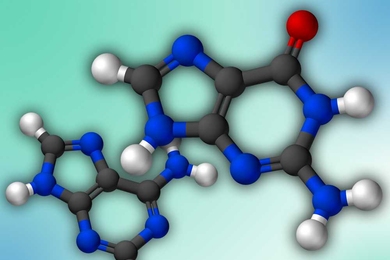
New study could explain why variant enzymes boost the risk of cancer for some people.

Coevolution of guest and host lets a virus control its host’s machinery.

Materials scientist explores new possibilities in topics from molecules to rooftop solar panels.

Engineering a Safer World: Systems Thinking Applied to Safety by Nancy Leveson
Third annual Zero Robotics competition pits robots against each other on the International Space Station.

Study group is tackling hard questions about what it will take to stoke renewal.

By using ‘genetic programming’ to crossbreed algorithms, researchers help flavor companies figure out what their customers like.